Posted on

The Secret Ingredient on Every Michelin-Star Pastry Bench: Salt

There is a bench in every great pastry kitchen where a small container sits, almost always within arm’s reach of whoever is working. It is not sugar. It is not flour. It is salt — and if you want to understand why Michelin-star desserts taste the way they do, understanding what that container represents is perhaps the single most important step you can take.

Salt in pastry is one of the great open secrets of professional patisserie. Every serious pastry chef uses it constantly — in quantities, forms, and moments that would surprise most home bakers — yet it rarely appears in recipe headnotes or technique discussions aimed at the domestic kitchen. The result is a persistent gap between professional and home pastry that has almost nothing to do with equipment, ingredients, or skill, and almost everything to do with this one misunderstood mineral.

What Salt Actually Does in a Sweet Context

The first thing to understand is that salt in pastry does not make things taste salty. This is the foundational misconception, and it is the reason home bakers consistently under-salt their work. When used at the correct level — well below the threshold of perceptible saltiness — salt performs a set of functions that have nothing to do with imparting a savoury flavour and everything to do with reshaping the flavour that is already present.

Specifically, salt at sub-threshold concentrations does three things to a sweet preparation:

  • It suppresses bitterness. Sodium ions bind to bitter taste receptors on the tongue, partially blocking them. This means that a dark chocolate ganache with the correct level of salt will taste less bitter — and therefore more of its fruity, earthy, and floral aromatic compounds will be perceptible. The chocolate does not become less complex; it becomes more accessible.
  • It amplifies sweetness. By suppressing bitterness, salt shifts the perceived balance of a preparation towards its sweet register. A caramel that reads as slightly harsh without salt will taste rounder, more generous, and more complete with it — even though the sugar content is identical. This is why salted caramel became a phenomenon: not because the salt was detectable as a flavour, but because it made the caramel taste more fully of itself.
  • It enhances aroma volatility. Salt affects the physical behaviour of aromatic compounds, encouraging them to volatilise more readily — which means they reach the olfactory receptors at the back of the nasal passage more easily. In practical terms, a vanilla cream seasoned with a pinch of fine salt will smell more intensely of vanilla than an identical cream without it. The aromatic experience of the dessert deepens.

Taken together, these three effects mean that salt is not merely a seasoning in pastry — it is a flavour amplifier, a clarity agent, and an aromatic enhancer, all in a single ingredient that costs almost nothing and requires no technique to deploy.

The Forms of Salt in Professional Patisserie

Not all salt is used the same way in a Michelin-star pastry kitchen. The form matters — both for functional reasons and for textural and aesthetic ones — and understanding how different salts behave helps clarify when and why each is chosen.

Fine Sea Salt or Kosher Salt — The Workhorse

Fine-grain salt dissolves immediately and distributes evenly through a preparation. This is the salt that goes into doughs, batters, ganaches, creams, and custards — anything where the salt needs to be invisible and integrated. A Michelin-star pastry chef seasons with fine salt at almost every stage of preparation: into the butter when making puff pastry, into the cream before infusing, into the chocolate before tempering. It is not added once; it is added throughout, in small calibrated quantities, building a balanced foundation that no single large addition at the end could replicate.

Fleur de Sel — The Finishing Salt

Fleur de sel — the hand-harvested sea salt from the surface of salt pans, most famously from Guérande in Brittany — is the finishing salt of choice in virtually every serious French pastry kitchen. Its defining characteristic is not its flavour but its texture: irregular, fragile crystals that dissolve slowly on the tongue, delivering a brief, clean mineral note that arrives a fraction of a second after the sweetness and acidity of the dessert have already registered.

This delayed delivery is everything. A few crystals of fleur de sel on a dark chocolate tart do not make the tart taste salty — they create a momentary mineral punctuation that resets the palate between bites, ensuring that each mouthful registers with the same vivid intensity as the first. It is the reset mechanism of fine patisserie.

Smoked and Speciality Salts — The Flavour Layer

In more adventurous contemporary pastry — the kind explored extensively in our Michelin Star Series — speciality salts function as flavour elements in their own right. Smoked salt alongside dark caramel introduces a complexity that reads as depth rather than smokiness. Black lava salt on a citrus tart creates a visual contrast that signals the mineral note to come. Truffle salt worked into a butter-laminated dough carries its aromatic character through the entire bake. These are not gimmicks — they are deliberate flavour decisions made possible by the unique mineral and aromatic profiles of specific salts.

Where Salt Appears in the Michelin-Star Kitchen

In a professional pastry kitchen, salt appears at stages that would surprise most home bakers. Understanding each of these moments is the fastest way to begin closing the quality gap between professional and home pastry.

In the Caramel

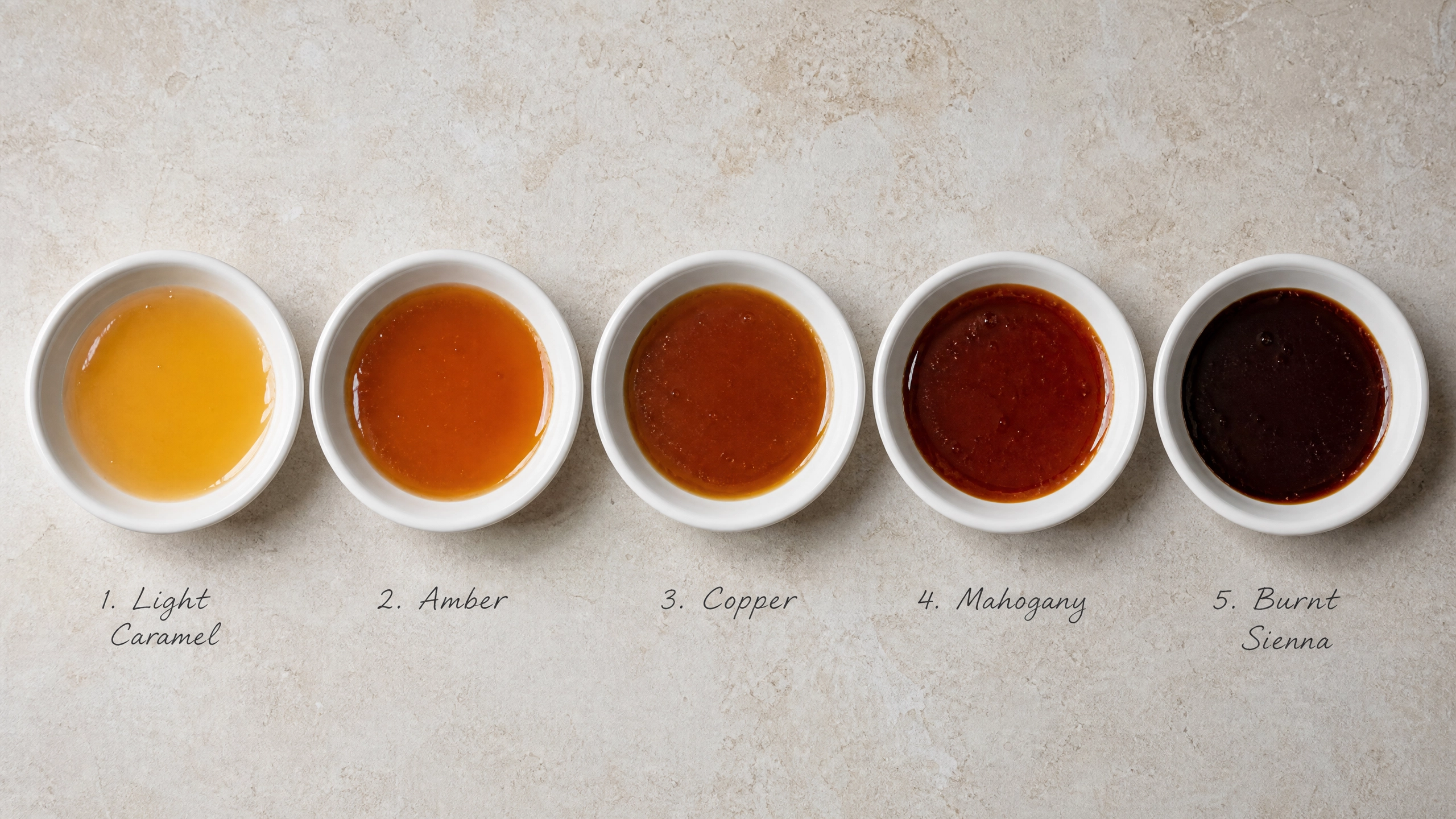
Caramel is perhaps the preparation where salt has the most dramatic effect. A dry caramel taken to a deep amber stage without salt will taste bitter and one-dimensional. The same caramel with the correct salt addition — typically fine salt worked into the cream before deglazing, and fleur de sel added after — will taste complex, rounded, and deeply flavoured. The salt suppresses the bitterness of the Maillard compounds, allowing the caramel’s full aromatic range to present itself.

In the Ganache

A chocolate ganache without salt is flat. The cocoa solids carry a pronounced bitterness that, unseasoned, dominates the experience and masks the aromatic complexity that makes fine chocolate extraordinary. Fine salt worked into the warm cream before emulsification with the chocolate suppresses that bitterness selectively, allowing the fruit notes, the earthiness, and the roasted depth of the cocoa to emerge. The ganache tastes more of chocolate, not less.

In the Pastry Dough

Salt in puff pastry, croissant dough, and pate sablee is not optional. Beyond flavour, it plays a structural role: salt strengthens gluten bonds, improving the elasticity and workability of the dough and producing a more consistent, even lamination. Under-salted laminated pastry is not merely less flavourful — it is physically inferior, tending to shrink, distort, and laminate unevenly. In our Laminated Luxury Series, the role of salt in dough structure is a recurring theme precisely because its absence is so consequential.

In the Cream and Custard

Crème patissière, crème anglaise, vanilla bavarois — all are seasoned with fine salt in a professional kitchen. The addition is small, often just a pinch in a preparation that will serve twenty, but its absence is immediately perceptible: the cream tastes flat, slightly raw, and lacks the aromatic roundness that characterises professional pastry creams. Salt does not change what the cream tastes like — it completes it.

The Rule of Seasoning in Progressive Stages

One of the most important principles of salt use in professional patisserie is that seasoning happens progressively, not once. A Michelin-star pastry chef does not salt a ganache at the end; they salt the cream, taste, adjust, then salt again after emulsification, taste, adjust. Each stage of a preparation has a salt requirement determined by its composition, temperature, and intended flavour profile at that moment — and those requirements change as the preparation develops.

This progressive approach ensures that the salt is integrated into the molecular structure of the preparation at each stage, rather than sitting on the surface as a late addition. The result is a depth and coherence of seasoning that no single addition, however correctly calibrated, can produce.

How to Start Using Salt Correctly in Your Own Kitchen

The shift from under-salted home pastry to professionally seasoned work does not require new equipment or exotic ingredients. It requires a change of habit and a commitment to tasting at every stage.

  1. Salt every preparation at the beginning, middle, and end. Not large additions — small, calibrated pinches. Taste after each addition and note the change. You are not looking for saltiness; you are looking for the moment the flavour opens up and becomes more vivid.
  2. Season your chocolate preparations without hesitation. Dark chocolate ganaches, mousse bases, and sauces all benefit from fine salt added to the warm cream. Start with half a gram per 200ml of cream and adjust to taste.
  3. Keep fleur de sel on the pass. Finish plated desserts with two or three crystals of fleur de sel placed precisely on the element that will benefit most — typically the richest, darkest, or most bitter component. This is not decoration; it is the final seasoning of the plate.
  4. Never omit salt from a dough. Even sweet doughs — brioche, pate sablee, choux — require salt for both structural and flavour reasons. A recipe that omits it is incomplete.
  5. Taste cold and warm. Salt behaves differently at different temperatures. A cream that is correctly seasoned warm may taste under-seasoned cold, because the suppression of bitterness is less effective at lower temperatures. Always taste preparations at the temperature at which they will be served.

The Invisible Architecture of Great Pastry

Salt sits alongside flavour balance and temperature contrast as one of the invisible architectural elements that define Michelin-star pastry — present everywhere, visible nowhere, and immediately missed in its absence. The finest desserts in the world are not the sweetest, nor the most elaborately constructed, nor the most technically complex. They are the most precisely and thoughtfully seasoned — every component brought to its fullest possible expression through the deliberate, progressive, and intelligent use of the most fundamental ingredient in the kitchen.

That container within arm’s reach on the pastry bench is not an afterthought. It is the foundation of everything that makes the work extraordinary.

Part of the ongoing Allcookings Michelin Star Series — a continuing editorial exploration of the philosophy, technique, and artistry behind the world’s finest pastry kitchens.


💡 Want the complete picture? The Michelin Star Plating Secrets eBook covers seasoning principles, flavour architecture, and the precise techniques used in the world’s finest kitchens — just $14.50.

Posted on

Hot and Cold on the Same Plate: The Michelin-Star Technique That Changes Everything

The moment a warm, molten element meets a cold, silken one on the palate, something happens that no single-temperature dessert can replicate. There is a physiological event — a sudden, dramatic shift in sensation — that bypasses intellectual appreciation entirely and speaks directly to something primal. It is surprise. It is contrast. And in the hands of a Michelin-star pastry chef, it is one of the most deliberate and devastating tools in the entire repertoire.

Temperature contrast is not a trick. It is a fundamental principle of sensory design — one that the world’s finest pastry kitchens deploy with the same precision and intentionality they bring to flavour balance, texture architecture, and plating composition. Understanding it is understanding something essential about why certain desserts are merely good, and others are genuinely unforgettable.

Why Temperature Is a Flavour Dimension

Temperature is not merely a textural condition — it is a flavour modifier. The same ingredient, served at different temperatures, registers as a meaningfully different experience on the palate. Consider chocolate: at room temperature, its aromatic compounds are relatively subdued. Warmed slightly, those compounds volatilise and bloom, making the chocolate taste more intensely of itself. Cold, bitterness and fat dominate. A Michelin-star pastry chef understands these variations not as incidental but as compositional variables to be controlled in service of the plate’s intended flavour narrative.

The same principle applies across the pastry palette. Vanilla, caramel, stone fruits, herbs — all behave differently at different temperatures. The chef’s task is to choose the temperature at which each component best expresses its character, then consider how the contrast between those temperatures enhances the whole.

The Three Forms of Temperature Contrast

1. The Classic Hot-Cold Binary

The most recognisable form — a warm element placed in direct contact with a frozen one. The soufflé with a quenelle of crème glacée. The warm chocolate fondant beside cold crème anglaise. The technical challenge is timing: the contrast must arrive before it resolves. In a three-star kitchen, components are held at their temperatures until the last possible moment, and service is executed with a precision that borders on choreography. When done right, the warmth opens the palate; the cold closes it. The effect is one of completeness — a beginning and an ending experienced simultaneously.

2. Internal Temperature Contrast

More technically demanding is temperature contrast within a single component. The molten chocolate fondant is the archetype: a shell baked to a precise temperature that creates a set exterior while preserving a liquid, flowing centre. Modern pastry chefs have extended this — encapsulated caramel centres hidden inside cold chocolate spheres, warm fruit compotes sealed inside frozen parfait cylinders. The thermal surprise is internalised: not something the eye anticipates, but something only the palate discovers. The window of perfection here is a matter of seconds.

3. Graduated Temperature Across the Plate

The most architectural form: components arranged at different temperatures across a single plate, so each successive bite delivers a different thermal experience. This is a thermal composition — a sequence of temperatures experienced progressively, like movements in a piece of music. A diner might begin with room-temperature almond cream, move to a cold yuzu sorbet, and conclude with a warm caramelised pear. Three registers, each transitioning naturally into the next, creating a dessert that feels dynamic and alive long after the last bite.

The Science Behind the Sensation

The mouth contains thermoreceptors — nerve endings that respond to changes in temperature rather than absolute values. A rapid shift from warm to cold triggers a response that heightens overall sensory awareness, making the palate more receptive to flavour, texture, and aroma simultaneously. A dessert incorporating deliberate temperature contrast will be experienced more vividly, and remembered more distinctly, than an equivalent dessert at a single temperature. The contrast does not merely add a dimension — it amplifies every dimension already present.

Temperature Contrast in the Michelin Star Series

Temperature contrast appears across several desserts examined in the Allcookings Michelin Star Series. In the Dulcey & Hazelnut Architecture, the contrast between a warm Dulcey sauce and cold hazelnut praline ice cream is the central sensory event. The warmth opens the palate and releases butterscotch aromatics; the cold immediately concentrates and contracts those same flavours, creating an intensity neither element achieves alone. A similar thermal arc shaped the Earl Grey & Yuzu Texture Study, where warmth and citric cold resolved in the same moment.

Common Failures — and How to Avoid Them

  • Insufficient temperature differential. The gap must be dramatic — ideally at least 40°C — to trigger a meaningful thermoreceptor response. A slightly warm element meeting a slightly cool one produces no real contrast.
  • Contrast that resolves before it is eaten. Temperature management extends to plateware: chilled plates for cold elements, warm plates held in a low oven for hot service.
  • Contrast without flavour logic. The warmth should release something the cold suppresses; the cold should concentrate something the warmth diffuses. When temperature logic and flavour logic align, the result is transcendent.

Applying Temperature Contrast at Home

  1. Start with the classic binary. A warm brownie alongside very cold vanilla ice cream is temperature contrast. Notice how the experience changes as the ice cream melts. Begin observing these transitions consciously.
  2. Chill cold elements aggressively. Store sorbet and ice cream at the lowest temperature your freezer allows and serve immediately. A slightly soft scoop loses the thermal drama.
  3. Warm elements at the last possible moment. Brief warming in a bain-marie at service — not thirty minutes in a low oven — preserves both temperature and quality.
  4. Let the ingredient declare its preferred temperature. Caramel and chocolate bloom warm. Citrus, fresh herbs, and dairy creams are best cold. Follow the ingredient’s own logic.
  5. Taste the contrast as a single bite. A spoonful capturing both elements is the only true test. Does the contrast amplify flavour? Does it feel intentional? Adjust the temperature, not necessarily the recipe.

The Lasting Impression

A dessert at a single temperature, however perfectly executed, is a static experience. A dessert built around deliberate temperature contrast is a performance — one that unfolds in time, changes as it is eaten, and leaves a sensory memory that outlasts the meal itself. That is what Michelin-star patisserie is, at its core: not complexity for its own sake, but the deliberate engineering of memorable sensation. Temperature contrast is one of its most honest and powerful instruments.

Part of the ongoing Allcookings Michelin Star Series — a continuing editorial exploration of the philosophy, technique, and artistry behind the world’s finest pastry kitchens.


💡 Want to go deeper? The Michelin Star Plating Secrets eBook covers temperature architecture, flavour ratios, and the precise techniques used in the world’s finest kitchens — just $14.50.

Posted on

Hot and Cold on the Same Plate: The Michelin-Star Technique That Changes Everything

The moment a warm, molten element meets a cold, silken one on the palate, something happens that no single-temperature dessert can replicate. There is a physiological event — a sudden, dramatic shift in sensation — that bypasses intellectual appreciation entirely and speaks directly to something primal. It is surprise. It is contrast. And in the hands of a Michelin-star pastry chef, it is one of the most deliberate and devastating tools in the entire repertoire.

Temperature contrast is not a trick. It is not a flourish designed to impress on Instagram. It is a fundamental principle of sensory design — one that the world’s finest pastry kitchens deploy with the same precision and intentionality they bring to flavour balance, texture architecture, and plating composition. Understanding it is understanding something essential about why certain desserts are merely good, and others are genuinely unforgettable.

Why Temperature Is a Flavour Dimension

Before exploring technique, it is worth establishing a principle that many home cooks never consider: temperature is not merely a textural condition — it is a flavour modifier. The same ingredient, served at different temperatures, registers as a meaningfully different experience on the palate.

Consider chocolate. At room temperature, its aromatic compounds are relatively subdued — present, but quiet. Warmed slightly, those same compounds volatilise and bloom, making the chocolate taste more intensely of itself. Cold, those aromatics are suppressed further still, and the bitterness and fat dominate. A Michelin-star pastry chef understands these variations not as incidental but as compositional variables — elements to be controlled and exploited in service of the plate’s intended flavour narrative.

The same principle applies across the pastry palette. Vanilla, caramel, stone fruits, herbs — all behave differently at different temperatures. The chef’s task is to choose the temperature at which each component best expresses its intended character, and then to consider how the contrast between those temperatures enhances the experience of the whole.

The Three Forms of Temperature Contrast

In modern fine-dining patisserie, temperature contrast manifests in three distinct forms, each with its own technical demands and sensory effects.

1. The Classic Hot-Cold Binary

The most recognisable form — a warm or hot element placed in direct contact with a frozen or cold one. The soufflé with a quenelle of crème glacée. The warm chocolate fondant beside a pool of cold crème anglaise. The hot caramel sauce poured at the table over a frozen parfait.

The technical challenge here is timing. The contrast must arrive at the table before it resolves — before the warm element cools or the cold one melts to the point where the sensation becomes homogeneous. In a three-star kitchen, this means components are held at their respective temperatures until the last possible moment, and service is executed with a precision that borders on choreography.

When executed correctly, the hot-cold binary creates something that goes beyond taste: it creates a thermal narrative, guiding the diner from one sensation to another within a single bite. The warmth opens the palate; the cold closes it. The effect is one of completeness — a beginning and an ending experienced simultaneously.

2. Internal Temperature Contrast

More sophisticated — and arguably more technically demanding — is the creation of temperature contrast within a single component. The molten chocolate fondant is the archetype: a shell baked to a precise internal temperature that creates a set exterior while preserving a liquid, flowing centre. The diner’s spoon breaks through a warm crust into a pool of something hotter, more fluid, and more intensely concentrated.

Modern pastry chefs have extended this principle considerably. Encapsulated caramel centres — kept liquid through precise sugar concentration — are hidden inside cold chocolate spheres. Warm fruit compotes are sealed inside frozen parfait cylinders. The thermal surprise is internalised, making the contrast not something the eye anticipates but something only the palate discovers.

This form of temperature contrast requires extraordinarily precise control of both baking times and temperatures and the thermal properties of the enclosing medium. A fondant under-baked by thirty seconds becomes a soufflé. Over-baked by the same margin, the centre sets and the contrast is lost entirely. The window of perfection is, in the finest kitchens, a matter of seconds.

3. Graduated Temperature Across the Plate

The most architectural form — and the one that defines the most sophisticated contemporary plating — is the deliberate arrangement of components at different temperatures across the surface of a single plate, so that each successive bite delivers a different thermal experience. This is not contrast so much as a thermal composition: a sequence of temperatures experienced progressively, like movements in a piece of music.

A diner might begin with a room-temperature almond cream, move to a cold yuzu sorbet, and conclude with a warm caramelised pear — three distinct thermal registers, each chosen to express its component at its most expressive temperature, and each transitioning naturally into the next. The result is a dessert that feels dynamic and alive even after the last bite, because the memory of the thermal journey lingers alongside the memory of the flavour.

The Science Behind the Sensation

The power of temperature contrast has a neurological basis. The mouth contains thermoreceptors — nerve endings that respond specifically to changes in temperature rather than absolute temperature values. These receptors are most strongly activated not by sustained heat or cold, but by rapid transitions. A sudden shift from warm to cold — or from cold to warm — triggers a response that heightens overall sensory awareness, making the palate more receptive to flavour, texture, and aroma simultaneously.

In practical terms, this means that a dessert incorporating deliberate temperature contrast will be experienced more vividly, and remembered more distinctly, than an equivalent dessert served at a single temperature — even if every other element is identical. The contrast does not merely add a dimension; it amplifies every dimension already present.

Michelin-star pastry chefs understand this intuitively. When asked why a particular dessert works, they will often describe the temperature relationship before the flavour one — because they know that the temperature architecture is what makes the flavour architecture perceptible.

Temperature Contrast in the Michelin Star Series

Temperature contrast appears across several of the desserts we have examined in the Allcookings Michelin Star Series, often as the structural element that gives an otherwise simple composition its dramatic intensity.

In the Dulcey & Hazelnut Architecture, the contrast between a warm Dulcey sauce and a cold hazelnut praline ice cream is not incidental — it is the central sensory event around which the entire plate is designed. The warmth of the Dulcey opens the palate and releases its butterscotch aromatics; the cold praline ice cream immediately concentrates and contracts those same flavours, creating an intensity that neither element could achieve alone.

The same principle informed our reading of the Earl Grey & Yuzu Texture Study, where a warm Earl Grey infusion served alongside a cold yuzu sorbet created a thermal arc that mirrored the flavour arc — both moving from aromatic warmth to bright, citric cold, and resolving in the same moment.

Common Failures — and How to Avoid Them

Temperature contrast, for all its power, is one of the techniques most commonly executed poorly — even in professional kitchens. The failures are almost always the result of one of three errors:

  • Insufficient temperature differential. A contrast that arrives slightly warm meeting slightly cool produces no meaningful sensation. The differential must be dramatic — ideally at least 40°C between the warm and cold elements — to trigger the thermoreceptor response that makes the technique effective.
  • Contrast that resolves before it is eaten. A hot element plated onto a cold plate, or a cold element left on a warm plate, will equilibrate before the diner’s spoon arrives. Temperature management extends to plateware — chilled plates for cold elements, warm plates held in a low oven for hot service.
  • Contrast without flavour logic. Temperature contrast for its own sake — a warm element paired with a cold one simply because the technique is impressive — rarely succeeds. The contrast must serve the flavour: the warmth should release something the cold suppresses, and the cold should concentrate something the warmth diffuses. When the temperature logic and the flavour logic align, the result is transcendent.

Applying Temperature Contrast at Home

The principles of temperature contrast are entirely accessible to the home pastry cook. You do not need a blast chiller or a precision combi-oven to begin working with thermal contrast — you need awareness, timing, and a willingness to think about temperature as a compositional element rather than merely a serving condition.

  1. Start with the classic binary. A warm brownie alongside a scoop of very cold vanilla ice cream is a temperature contrast. Now ask: at what point in eating does the contrast resolve? How does the flavour change as the ice cream melts onto the warm brownie? Begin to notice these transitions consciously.
  2. Chill your cold elements aggressively. The contrast only works if the cold element is genuinely cold — ideally at or near freezing. A sorbet or ice cream served slightly soft loses the thermal drama. Store your cold components at the lowest temperature your freezer allows, and serve immediately.
  3. Warm your warm elements at the last moment. A sauce, a compote, or a warm cake should reach the plate as close to service temperature as possible. Brief warming in a bain-marie at service, rather than sitting in a low oven for thirty minutes, preserves both temperature and quality.
  4. Think about which components benefit from warmth and which from cold. Caramel and chocolate are almost always better warm — their aromatics bloom. Citrus, fresh herbs, and dairy-based creams are almost always better cold — their brightness and freshness are preserved. Let the ingredient tell you its preferred temperature.
  5. Taste the contrast, not the components. The final arbiter is always what happens in the mouth when warm meets cold. Taste your composed plate in a single bite that captures both elements. Does the contrast amplify the flavour? Does it create surprise? Does it feel intentional? If not, adjust — not necessarily the recipe, but the temperature at which each element arrives.

The Lasting Impression

There is a reason temperature contrast appears in the dessert courses of the world’s most celebrated restaurants with a frequency that no other single technique can match. It is because, of all the tools available to a pastry chef, none so reliably produces the sensation that defines a truly great dessert: the sense that what just happened on the palate was alive.

A dessert at a single temperature, however perfectly executed, is a static experience. It is a painting. A dessert built around deliberate temperature contrast is a performance — one that unfolds in time, changes as it is eaten, and leaves the diner with a sensory memory that outlasts the meal itself.

That is what Michelin-star patisserie is, at its core: not the pursuit of complexity for its own sake, but the deliberate engineering of memorable sensation. Temperature contrast is one of its most honest and powerful instruments.

This article is part of the ongoing Allcookings Michelin Star Series — a continuing editorial exploration of the philosophy, technique, and artistry behind the world’s finest pastry kitchens.


💡 Want to go deeper? Our exclusive Michelin Star Plating Secrets eBook covers temperature architecture, plating principles, and the precise techniques used in the world’s finest kitchens — available now for just $14.50.

Posted on

The Science of Sweetness: How Michelin-Star Pastry Chefs Balance Flavour

There is a moment — just a fraction of a second — when a perfectly conceived dessert makes contact with the palate, and something extraordinary happens. The sweetness arrives first, followed almost immediately by a whisper of acidity, and then — just as you think you understand the plate — a clean, unexpected note of bitterness blooms at the back of the throat. That precise orchestration of flavour is not accidental. It is the defining skill of every Michelin-star pastry chef working today.

At allcookings.com, we have spent considerable time inside the Michelin-star world — from the kitchens of Fouquet’s Dubai to the pristine galleries of the Louvre Abu Dhabi. What we have learned is this: while plating, texture, and temperature all play critical roles in the architecture of a great dessert, flavour balance is the invisible foundation upon which everything else is built.

Why Flavour Balance Matters More Than You Think

Ask a pastry chef from a three-star kitchen what separates their desserts from everything else, and they rarely mention technique first. They speak about intention. Every component on the plate — every quenelle, every gel, every tuile — exists to serve a flavour narrative. And that narrative is almost always built around the interplay of three fundamental taste dimensions: sweetness, acidity, and bitterness.

These are not merely flavours. In the hands of a skilled pastry chef, they function as architectural tools — building tension, providing resolution, and guiding the diner through an emotional sequence as deliberate as any piece of music. The plate becomes a composition. And like every great composition, it must have a beginning, a middle, and an ending.

Sweetness: The Foundation, Never the Destination

The most common misconception about Michelin-star desserts is that they are intensely sweet. They are not. In the world’s finest kitchens, sugar is restrained — used precisely enough to anchor the palate, never enough to overwhelm it.

This restraint is deliberate. Excessive sweetness creates what pastry chefs call “palate fatigue” — a sensation where the diner’s taste receptors become desensitised within the first few bites, reducing everything that follows to a flat, undifferentiated sweetness. By calibrating sugar levels carefully, the chef preserves the diner’s sensitivity across the entire plate, allowing every subsequent flavour to register with full impact.

Michelin-star kitchens achieve this through a number of precise mechanisms:

  • Reduced sugar concentrations in mousses and creams, compensated by texture and temperature to maintain perceived richness
  • Using naturally sweet ingredients at peak ripeness — ripe mango, passion fruit, or white peach carry their own complexity that eliminates the need for additional sugar
  • Layering sweetness across components rather than concentrating it in a single element, so no single bite reads as cloying

The result is a dessert that feels simultaneously generous and disciplined — a plate that invites you to keep eating rather than one that satisfies and then overwhelms.

Acidity: The Secret Weapon of Every Great Pastry Chef

If sweetness is the foundation, acidity is the architect’s pencil — the element that defines the edges, brings clarity, and makes every other flavour sharper and more vivid. It is, without question, the most underused tool in the home cook’s pastry arsenal, and the most consistently deployed element in a Michelin-star kitchen.

A well-judged hit of acidity — whether from citrus juice, a yuzu curd, a passion fruit gel, or even a lactic ferment — does something almost magical to a sweet dessert: it cuts through richness and lifts the entire flavour profile. Suddenly, a chocolate mousse that might have sat heavily on the palate feels alive and animated. A vanilla cream becomes ethereal rather than cloying.

In our Earl Grey & Yuzu Texture Study — part of the Michelin Star Series — we explored how yuzu functions not merely as a flavouring agent but as a structural element: its acidity calibrated precisely to harmonise with the tannins in Earl Grey and bring forward the floral notes that might otherwise be lost in the richness of the cream.

Forms of acidity used in modern patisserie include:

  • Citric acid — precise, clean, and controllable; used in gels and glazes for surgical accuracy
  • Tartaric acid — the acid of fine wine, which brings a dry, mineral finish particularly suited to fruit-based desserts
  • Lactic acid — softer and more complex, produced through fermentation, lending a cultured depth to creams and ice creams
  • Natural fruit acids — from passion fruit, raspberry, rhubarb, and citrus, each carrying its own aromatic character alongside its acidity

Bitterness: The Dimension Most Pastry Chefs Are Afraid of (But Shouldn’t Be)

Bitterness is the most sophisticated dimension in the flavour palette, and the most misunderstood. In lay cooking, bitterness is something to be eliminated — offset with sugar, masked with fat, or avoided altogether. In a Michelin-star kitchen, it is actively sought, carefully cultivated, and deployed with extraordinary precision.

Why? Because bitterness does something unique: it provides resolution. After the brightness of acidity and the warmth of sweetness, a note of bitterness signals to the palate that the flavour experience is complete. It is the equivalent of a musical cadence — the moment of satisfying closure that makes everything that preceded it feel intentional and considered.

In practice, Michelin-star pastry chefs introduce bitterness through:

  • High-percentage dark chocolate (typically 70–85% cacao), which delivers both bitterness and complex aromatic compounds — fruit, tobacco, earth — that make chocolate genuinely sophisticated
  • Coffee and espresso — particularly as concentrated reduction or powder, where the roasted bitterness becomes structural rather than merely flavourful
  • Caramelised sugars taken to a dark stage, where the Maillard reaction creates bitter pyrazine compounds alongside deep, complex sweetness
  • Liquorice — as we explored in depth in our Liquorice & Carrot Michelin Star Plating analysis, the anise-forward bitterness of liquorice creates a striking counterpoint that reframes every element around it
  • Certain herbs — tarragon, rosemary, and thyme all carry bitter phenolic compounds that, in measured doses, add extraordinary depth to fruit-based desserts

The Golden Triangle: How the Three Dimensions Work Together

Understanding sweetness, acidity, and bitterness individually is only the beginning. The true art lies in understanding how they interact — how each dimension modulates the others, and how adjusting one invariably changes the perception of the remaining two.

Consider this principle: acidity reduces the perception of sweetness. A dessert component that reads as excessively sweet in isolation will feel more balanced and refined once a precise level of acidity is introduced. Conversely, sweetness softens the sharpness of acidity, preventing a fruit gel from reading as abrasive or thin on the palate.

Bitterness, meanwhile, performs a more complex role: it intensifies the perception of acidity while simultaneously reducing the apparent sweetness of a dessert — which is precisely why a dark chocolate element alongside a bright fruit component can feel both richer and lighter than either element alone.

Michelin-star pastry chefs understand this triangle intuitively, tasting and adjusting components in relation to each other rather than in isolation. The target is never perfection in any single element — it is coherence across the complete plate.

A Study in Contrast: The Crème Brûlée

No dessert illustrates the golden triangle more elegantly than the Crème Brûlée — a dish so simple in construction that its complexity must come entirely from flavour balance.

The custard base is sweet, rich, and lactic — a foundation of sweetness and fat. The caramelised sugar crust introduces bitterness at the Maillard stage, along with a caramel sweetness distinct from the vanilla below. And in a properly conceived Crème Brûlée, a subtle note of acidity is always present — whether from a vanilla bean’s own aromatic compounds, a hidden citrus zest infused into the cream, or a tart accompanying coulis. These three dimensions resolve into one of the most satisfying flavour sequences in all of French patisserie.

We examined the Crème Brûlée in detail as part of our ongoing Michelin Star Series — a continuing editorial journey through the philosophy, technique, and artistry of the world’s finest pastry kitchens.

How to Apply This in Your Own Kitchen

You do not need a three-star kitchen to begin applying these principles. The process is one of awareness, attention, and deliberate adjustment:

  1. Taste every component in isolation first. Before combining elements, understand where each one sits on the sweetness-acidity-bitterness spectrum.
  2. Taste components together. Notice how they change each other. Is the mousse too sweet now that it sits beside the coulis? Add a touch more acid to the coulis, or reduce the sugar in the mousse slightly.
  3. Introduce contrast deliberately. If every component is sweet and rich, the plate will feel monotonous. Build in at least one element that provides acidity and one that provides bitterness — however subtle.
  4. Reduce sugar before adding acid. The instinct is often to mask sweetness with more acidity — but this creates imbalance. Reducing sweetness first, then calibrating acid, produces a more elegant and considered result.
  5. Let bitterness have the last word. The final flavour impression is often the most memorable. A dark chocolate element, a bitter citrus peel, or a coffee tuile as the last component gives the plate a satisfying sense of resolution.

The Flavour Philosophy of the World’s Best Pastry Kitchens

Ultimately, what distinguishes the desserts of a Michelin-starred restaurant from everything else is not the rarity of the ingredients, the complexity of the techniques, or even the artistry of the plating. It is the intentionality of the flavour design — the sense that every element exists in service of a precise, considered idea about how a dessert should feel from first bite to final impression.

The science of sweetness is, at its core, a philosophy of restraint, contrast, and resolution. It is the understanding that a great dessert does not seek to overwhelm — it seeks to resonate. And that resonance, when it is truly achieved, is why the table goes quiet, why the spoon pauses mid-air, and why, long after the plate has been cleared, the flavour lingers.

Explore more from the Allcookings Michelin Star Series — a continuing editorial journey through the philosophy, technique, and artistry of the world’s finest pastry kitchens.


💡 Want to go deeper? Our exclusive Michelin Star Plating Secrets eBook breaks down the precise techniques, flavour ratios, and plating principles used in the world’s finest kitchens — available now for just $14.50.

Posted on

Temperature as an Ingredient — The Michelin Approach to Hot and Cold on a Single Plate

Part of the Michelin Star Series.

Temperature is usually discussed as a serving concern. At the Michelin level this is the wrong frame entirely. Temperature at the highest level of pastry is an ingredient: added to a dish with the same deliberateness as salt or acid, managed with the same precision. The contrast of a warm molten centre against a cold sorbet is not a happy accident of timing. It is a decision about flavour, texture, and the sequence in which the diner experiences both.

Why Temperature Tastes

The connection between temperature and flavour perception is physiological. Cold suppresses sweetness: a sorbet at minus six degrees tastes less sweet than the same preparation at minus two, even with identical sugar content. Heat amplifies volatile aromatic compounds — a warm caramel releases scent molecules that a cold caramel cannot, which is why a hot toffee pudding fills a room and a cold one sits quietly on the plate. Fat texture is entirely temperature-dependent: the same chocolate ganache that coats the palate richly at eighteen degrees becomes waxy at eight and fluid at thirty-two.

These are not incidental variations. They are flavour decisions. A pastry chef designing a chocolate dessert is not simply deciding what the chocolate should taste like — they are deciding at what temperature the diner will encounter it, and therefore what register of sweetness, richness, and aroma the diner will experience. Temperature is not a vehicle for flavour. It is a dimension of it.

The Architecture of Contrast

The most sophisticated use of temperature in fine-dining pastry is the managed contrast — two elements on the same plate at temperatures far enough apart that the diner experiences both simultaneously, and the gap between them becomes part of the dish. The canonical example is the warm fondant against the cold sorbet: the heat of the fondant partially melts the cold element on contact, creating a third temperature in between, a zone of mingled textures that exists only briefly in time.

This third zone is what great temperature contrasts are actually engineering. The goal is not simply hot plus cold. The goal is a specific transition experience: the moment of contact, the speed at which temperatures equalise, the texture produced as one state gives way to another. A well-designed temperature contrast has a beginning, a middle, and an end. The diner eats through the experience as much as through the flavours.

Cold as Structure

One of the most underused applications of temperature in modern pastry is cold as a structural element — the use of low temperature not to produce a frozen component but to set a texture, firm a gel, or stabilise a mousse that would otherwise be too delicate to plate. A chocolate marquise at four degrees holds its edge; at twelve it begins to weep. A panna cotta unmoulded at three degrees stands; at eight it trembles; at fifteen it collapses. The temperature at which components are served is inseparable from their structural integrity, and their structural integrity is inseparable from their visual statement on the plate.

This is why serious pastry kitchens maintain controlled plating environments and why plate chilling is standard at the Michelin level. A warm plate accelerates temperature loss in cold components and compromises the texture of the first mouthful. The plate is not a neutral surface — it is part of the thermal system.

Heat as Drama

If cold is structure, heat is drama. The warm element on a dessert plate — the sauce poured tableside, the fondant broken open, the surface torched at the last moment — is the element that announces itself. Heat generates aroma, and aroma reaches the diner before the fork does. This is not an accident at the highest level; it is choreography. The sequence in which a complex dessert reveals itself — first through smell, then sight, then the resistance of the spoon, then the first mouthful — is designed, and temperature is one of the primary tools through which that sequence is controlled.

Some of the most striking recent applications of heat-as-drama involve tableside finishing: a sauce at exactly sixty degrees poured over a cold component, the steam visible for three seconds, the temperature differential audible as a faint sound of contact. The diner watches a thermal event. They eat the dessert knowing they have seen it change.

Precision and Margin

The practical challenge of temperature as ingredient is that it has the narrowest margin of any element in pastry. The difference between a sorbet that scoops cleanly and one that crumbles is often less than four degrees. This means that the decision to use temperature as an expressive tool is simultaneously a decision to increase the technical difficulty of every service. The dish that relies on temperature contrast requires that both elements arrive at the table within a precise thermal range, simultaneously, every time.

At the restaurants where this is done best, the temperature of every component is measured before plating as standard procedure — not because the chefs doubt themselves, but because temperature is being treated with the seriousness of any other ingredient. You would not add salt without measuring. You would not add acid without tasting. Temperature, understood correctly, demands the same rigour. It is not a variable to be managed. It is a decision to be made.


This post is part of the Michelin Star Series. Read the companion pieces — The Evolution of Modern Dessert Plating and The Grammar of Negative Space — for the broader context in which these temperature decisions are made.

Posted on

The Five Sauces That Redefined Dessert Plating

Part of the Michelin Star Series.

The sauce on a dessert plate is not an afterthought. At the highest level of pastry it is a compositional decision with its own grammar, its own history, and its own argument. Five plating sauces have fundamentally changed how desserts are presented. Each belongs to a moment, a chef, a philosophy.

I. The Arc

The first sauce to reshape the dessert plate was the coulis arc — a curved sweep of fruit puree applied with a spoon and pulled in a single controlled motion across the porcelain. It appeared in the early nouvelle cuisine kitchens of the 1970s and 1980s, and its arrival was a rupture. Before it, sauces pooled beneath or around a component, obedient and subordinate. The arc changed the relationship: the sauce was now moving, directional, dynamic. It implied that something had passed through the plate — that the composition had momentum.

The technique requires a warm spoon, a cold plate, and a sauce at precisely the right viscosity. Too thin and it bleeds; too thick and it tears. The arc at its best is clean, tapered at both ends, with a slight variation in width that reveals the hand behind it. It is the first plating technique that made the chef’s gesture visible on the plate. Every arc is, in miniature, a brushstroke.

II. The Smear

The smear arrived with the avant-garde generation and it was, in its moment, a provocation. Where the arc was elegant and controlled, the smear was raw and deliberate — a spoonful of puree applied to the plate and dragged with the flat of a spoon in a single aggressive stroke. It looked unfinished. That was the point. The smear declared that the plate was a surface for working on, and that the working could be visible.

At its best, the smear is extraordinarily precise in its imprecision: the starting point, the pressure, the angle, the speed, the endpoint are all controlled, producing a form that looks instinctive but is highly rehearsed. The smear also introduced a new spatial logic — it is inherently horizontal, grounding a plate that might otherwise feel weightless. Components placed above a smear appear to have landed.

III. The Pool

The pool is the oldest of the five and the most difficult to make interesting. A sauce poured into the base of a shallow bowl or at the centre of a plate, into which a component is then placed — this is the pool. Its power comes from depth and reflection: a caramel pool on dark porcelain catches light differently from every angle, and a component half-submerged in it occupies two registers at once, above and below the surface. The pool makes the plate three-dimensional in a way the arc and smear cannot.

In current fine-dining the pool is precise and minimal. The component does not float in sauce; it rests at the edge of it, in contact but not submerged, the line where sauce meets porcelain itself becoming a compositional element. The pool in this reading is less a sauce than a ground — a coloured field against which the component is read.

IV. The Dot

The dot is the most misused element in modern pastry plating and also, when used correctly, one of the most powerful. Applied with a piping bag or squeeze bottle, the dot is a single point of flavour and colour, precise in its placement and complete in its form. Its misuse is well-known: dots of gel distributed around a plate in a roughly even pattern, serving no compositional purpose, adding visual noise without visual meaning.

Its correct use is something else entirely. A single dot — one, not five — placed at a specific distance from the main component creates a relationship. The space between the dot and the component becomes charged; the eye moves between them, measuring, comparing. If the dot matches the colour of the main element the relationship reads as echo. If it contrasts, it reads as argument. The dot used this way is the most economical compositional decision available: one small point of sauce that generates an entire spatial dynamic.

V. The Absence

The fifth sauce that redefined dessert plating is not a sauce at all. It is the decision to serve the plate without one. This belongs to the quiet plate school and the philosophy of ingredient honesty: if a sauce would decorate the plate, and the plate does not need decoration, then the sauce must not come.

What the absence of sauce demands is that every element carry its own moisture, its own contrast, its own counterpoint. The plate must be complete without it. This is an extraordinarily high bar — the engineering of the component is itself the composition, nothing added at the plating stage to compensate for anything missing in the structure of the dish. The sauce, by its absence, reveals everything.


This post is part of the Michelin Star Series. Read The Grammar of Negative Space for a deeper study of how these sauce techniques interact with the empty porcelain around them.

Posted on

The Grammar of Negative Space — Why What’s Missing from the Plate Matters More

Part of the Michelin Star Series — a study of the techniques, philosophies, and visual language of fine-dining pastry.

There is a moment, studying a great dessert plate, when you stop looking at the food and start looking at the porcelain around it. The empty space. The deliberate nothing. And you realise that the chef has thought as carefully about what is absent as about what is present. This is the grammar of negative space — one of the most sophisticated and least discussed tools in fine-dining pastry.

What Negative Space Actually Is

In visual composition, negative space is the area surrounding the subject — the background, the void, the unoccupied field. In painting it is managed through canvas. In architecture through air and volume. On a dessert plate it is managed through porcelain, and its dimensions are fixed: you cannot make the plate larger to create more space, so every decision about placement is also a decision about how much emptiness remains and where it falls.

What makes this genuinely difficult is that negative space is not passive. It is not the absence of a decision — it is a decision in itself. A component placed dead-centre on a round plate produces one kind of tension: symmetry, stillness, the object as icon. The same component moved thirty percent toward the upper-left quadrant produces something entirely different: movement, implied direction, a pull toward the emptiness below and to the right. The food has not changed. The space has changed. And with it, the entire emotional register of the plate.

Weight Without Mass

The first principle of negative space on a plate is that empty areas carry visual weight. This is counterintuitive — we assume weight comes from objects, from presence. But a large field of dark slate porcelain on the lower half of a plate pulls the eye downward with considerable force. A single component placed at the upper third sits against that weight, held there by the tension between its position and the gravitational pull of the void beneath it. The result is a plate that feels dynamic, almost precarious — as if something is about to happen.

This is why the choice of plate matters enormously at the Michelin level. A white plate and a dark plate of identical dimensions produce fundamentally different spatial fields. White negative space recedes; it is light, expansive, almost clinical. Dark negative space advances; it is heavy, absorptive, dramatic. The component placed against white floats. The same component placed against dark slate appears to emerge from depth — as if it has weight and gravity of its own. Neither is correct. They are different sentences making different arguments.

The Direction of Emptiness

Advanced plating uses negative space not just as backdrop but as vector — a force that implies movement or draws the eye through the composition in a deliberate sequence. A quenelle placed at a slight diagonal angle does not simply sit on the plate; it points. The eye follows the long axis of the form and arrives somewhere: at the single drop of caramel three centimetres to its right, at the edge of the plate, at nothing. Each of these arrivals is a different experience. The chef is choreographing where the diner looks and in what order.

This sequential reading of a plate — the eye moving through components in an implied order — is one of the hallmarks of truly refined plating. It borrows directly from the conventions of Japanese calligraphy and ikebana, both of which treat empty space as the medium through which the eye travels between points of interest. The stem in an ikebana arrangement does not simply hold a flower; it creates a line that the eye must follow, arriving at the bloom with accumulated attention. A well-placed sauce drop on a dessert plate works by exactly the same logic.

The Discipline of Subtraction

Perhaps the hardest skill in modern plating — and the one most directly related to negative space — is knowing what to remove. The instinct, particularly early in a pastry career, is additive: another element will complete the plate, another garnish will finish it, another texture will make it more interesting. This instinct is almost always wrong. Every additional element placed on a plate consumes negative space and reduces the visual weight of every other element already there. Components compete. The eye, given too many entry points, finds none of them compelling.

The discipline of subtraction is the practice of removing elements until what remains feels inevitable — until you cannot imagine the plate without any single component, and cannot imagine adding one more. At this point the negative space is doing its maximum work: it is not the background for the food, it is the context that makes the food legible. The chocolate dome on black slate, the single gold accent, the one drop of caramel placed at precise distance — these read as powerful not despite the emptiness around them but because of it. The space is what makes each element matter.

Practical Application: Three Ratios

For the working pastry chef, negative space operates most usefully as a ratio — the proportion of occupied to unoccupied plate surface. There is no universal correct ratio, but three ranges produce recognisably different results. A plate where sixty to seventy percent of the surface is occupied reads as abundant, generous, classical — it echoes the Escoffier register even if the food itself is modern. A plate at forty to fifty percent occupied sits in the nouvelle cuisine tradition: balanced, purposeful, the porcelain present as compositional element rather than mere carrier. A plate below thirty percent occupied — where seventy percent or more of the surface is void — enters the territory of the quiet plate: severe, editorial, demanding. This last ratio is the hardest to execute because every element must carry enormous individual weight. There is no visual noise to absorb weak components.

The ratio is a starting point, not a rule. But developing an instinct for it — plating a component and immediately reading how much space remains and where it falls — is one of the foundational skills that separates competent plating from exceptional plating. The question is never only what to put on the plate. It is always also: what am I leaving empty, and what will that emptiness do?


This post is part of the Michelin Star Series. Read the companion essay — The Evolution of Modern Dessert Plating — for the historical context behind the quiet plate aesthetic this piece explores.

Posted on

The Evolution of Modern Dessert Plating: From Careme to the Quiet Plate

Part of the Michelin Star Series — a study of how the dessert plate became a canvas, then a sculpture, then a whisper.

The modern dessert plate is one of the most heavily edited surfaces in fine dining. Every quenelle, every dust of cocoa, every off-centre tear of glaze is the product of two centuries of argument between excess and restraint. To understand a contemporary tasting-menu dessert — three components, eight grams each, set against negative space — you have to read it as the latest sentence in a long conversation. This is that conversation, told through four movements.

Movement I — The Architectural Era

Modern plating begins, properly, with Antonin Careme in early-nineteenth-century Paris. Careme did not plate desserts so much as build them. His pieces montees were sugar-spun temples, nougat colonnades, marzipan ruins — pastry as edible architecture, displayed at table the way silver was displayed at court. The plate, as we now think of it, did not exist. The dining room itself was the plate.

Auguste Escoffier inherited that grandeur and disciplined it. By the late 1800s the kitchen brigade had codified service a la russe — one course at a time, plated individually — and dessert moved from spectacle to portion. Yet the visual grammar remained ornamental. Symmetry. Generous garnish. A glazed surface, a piped rosette, a candied violet placed dead-centre. The plate was a frame for abundance, and abundance was the point. Restraint, in this era, would have read as failure.

What Careme and Escoffier left us was the foundational assumption that a dessert is a composed object — that what arrives at the guest is not just flavour but a deliberate visual statement. Every plate that came after has been an argument with that premise.

Movement II — Nouvelle Cuisine and the Birth of the Plate

The break came in the 1970s. Paul Bocuse, the Troisgros brothers, Michel Guerard, Alain Chapel — a generation of French chefs declared that classical cuisine had grown heavy with its own rituals. Their manifesto was lighter sauces, shorter cooking times, and a radical idea about presentation: the plate is the canvas, not the platter. Food would be plated in the kitchen, by the chef, on a single oversized white porcelain disc. The diner would receive a finished composition.

For pastry, the consequences were enormous. The assiette de dessert became its own genre. A trio of components replaced the single grand gateau: an entremet, a sorbet, a sauce, arranged with the same painterly logic the savoury cooks were applying to fish and game. Sauces were poured in arcs, fruits fanned, coulis dotted around the rim. White space, for the first time, became compositional. The empty porcelain was no longer waste — it was breath.

This is the moment dessert plating becomes recognisable to the modern eye. If you trace any plate served at a Michelin-starred restaurant today back through its lineage, the spine of that lineage is nouvelle cuisine — even when the chef is reacting against it.

Movement III — The Avant-Garde and the Fragmented Plate

By the late 1990s and through the 2000s, a new vocabulary arrived. Ferran Adria at El Bulli, Heston Blumenthal at The Fat Duck, Grant Achatz at Alinea — the avant-garde generation took technique itself as a subject. Spherification, gels, dehydrations, frozen powders, edible paper, smoke captured under cloches. The plate broke open. Components multiplied. A single dessert might carry twelve elements, each prepared by a different method, each occupying its own coordinate.

Visually, the avant-garde plate was a deliberate provocation. The neat triangulation of nouvelle cuisine was replaced by what looked like controlled chaos: a smear of fruit puree pulled across the porcelain with the back of a spoon, a constellation of crumbs, a quenelle at angle, a single leaf of micro-herb placed with tweezers. The asymmetry was the message. So was the abundance of techniques — the plate was a portfolio, demonstrating what the kitchen could do.

Achatz at Alinea pushed it furthest by abolishing the plate altogether on certain courses — dessert painted directly onto the silicone-covered table in front of the guest, six pastry cooks working in silence, the diner’s own surface becoming the canvas. It was, in spirit, a return to Careme’s idea that the dining room itself is the plate. Only this time it arrived through technology and theatre rather than through gilded sugar.

Movement IV — The Quiet Plate

Every excess produces its correction. The current movement in fine-dining pastry — visible from Copenhagen to Kyoto to the new wave of London and Dubai openings — is one of profound restraint. The vocabulary has narrowed. Three components. Sometimes two. Occasionally one.

What replaced the avant-garde’s fragmentation is an austerity that demands more, not less, from the kitchen. When a dessert arrives as a single sphere of poached pear in a clear consomme, with one drop of aged oil floating on the surface, every element has to carry its weight publicly. There is nowhere to hide a weak component behind a tuile. The cooking has to be perfect because nothing is decorating the cooking.

This is also the era of ingredient honesty. The plate names what it is. A plum dessert looks like a plum. A chocolate dessert acknowledges chocolate as a material rather than disguising it inside a sphere of mango gel. Coloured smears and decorative dots are gone. Tweezered micro-herbs are gone. The piping bag is used for structure, not garnish. The aesthetic owes as much to Japanese kaiseki — where the season speaks for itself and the bowl is half the composition — as to any Western tradition.

Visually, the quiet plate reads as near-monochrome. A dessert may be five shades of a single colour. The porcelain is often dark — slate, charcoal, smoked glass — and the lighting low. Negative space has returned, but it is doing different work than it did in the 1970s. Then it was breath. Now it is gravity.

What the Evolution Tells Us

Looked at across two centuries, the evolution of dessert plating is not a straight line. It is a pendulum. Careme’s architecture begets Escoffier’s discipline; Escoffier’s ornament begets nouvelle cuisine’s restraint; restraint begets the avant-garde’s maximalism; maximalism begets the quiet plate. Each correction borrows from the era before last and rejects the era immediately preceding. Today’s monochrome austerity has more in common with nouvelle cuisine’s white-space logic than with the molecular plates of fifteen years ago.

What every era shares — and what makes the lineage continuous — is the conviction that the plate carries an argument. The chef is saying something with where the quenelle is placed, with what is missing from the rim, with whether the sauce arrives in a pool or a smear or not at all. To plate a dessert at this level is to take a position in the conversation Careme started. Even silence on the plate is a sentence.

For the pastry chef working today, the practical lesson is that technique alone is no longer the point. The avant-garde decade exhausted the novelty of method. What distinguishes a great contemporary plate is editorial judgment — what to leave off, what to refuse to do, what restraint to hold. The hardest plate in the modern kitchen is the one with three components and no garnish. There is nothing easier to design and nothing harder to execute.


This essay is part of the Michelin Star Series — a continuing study of the techniques, philosophies, and visual language of fine-dining pastry. Each post in the series is a working example of the principles traced here: the egg yolk fondant, the popcorn cinema homage, the dulcey and hazelnut architecture, the earl grey and yuzu texture study. Read them alongside this piece as case studies in the quiet plate.

Next in the series: The Vocabulary of the Quiet Plate — a working glossary of restraint.

FREE GUIDE ✦ INSTANT DOWNLOAD

Want to plate like a Michelin-star chef?

Get the free PDF guide — 5 plating secrets from a professional pastry kitchen, sent directly to your inbox.

Posted on

Jasmine & Lychee Délice — Michelin Star Spring Plated Dessert

Michelin Star Series — Spring Edition

Jasmine and lychee is one of the great perfumed pairings in fine dining — floral meeting floral, each amplifying the other without competition. This délice builds that pairing across five components: a jasmine tea ganache at the centre, surrounded by a lychee gel that sets clean and bright, lifted by a coconut dacquoise base, finished with a jasmine cream quenelle and crystallised edible jasmine flowers. It is the kind of plate that stops a dining room.

The Concept

A délice is a French term for a set ganache dessert — typically moulded, smooth-sided, and designed to be sliced or unmoulded at the table. The jasmine version works because jasmine tea, when steeped in hot cream, transfers its floral, slightly smoky character directly into the ganache without requiring any extract or flavouring. It is a completely clean technique that produces an extraordinarily refined result. The lychee gel — made from fresh lychee purée set with agar — cuts through the richness of the ganache with a precise, crystalline brightness that white chocolate alone could not achieve.

Why This Works at Michelin Level

Every element on this plate earns its place through flavour logic. The coconut dacquoise base is not merely textural — its tropical sweetness bridges the floral jasmine and the fruit-forward lychee, preventing either from feeling isolated. The jasmine cream adds a second floral layer at a different temperature and texture to the ganache, creating depth without repetition. The crystallised flowers are the visual punctuation: they signal to the diner what they are about to taste before the first bite arrives.

Ingredient Notes

Jasmine tea: Use a high-quality loose-leaf jasmine pearl or jasmine green tea. Cheaper tea bags produce a thin, slightly bitter infusion. The cream steep time is 8 minutes — longer and the tannins become dominant.

White chocolate: Valrhona Opalys 33% is the correct choice here — its low sugar content and clean dairy notes let the jasmine infusion lead. Standard supermarket white chocolate will overwhelm the floral notes with sweetness.

Lychee: Fresh lychees produce a cleaner, more vibrant purée than canned. If using canned, drain thoroughly and blend with a small squeeze of fresh lime juice to restore brightness.

Agar agar: Used instead of gelatin for the lychee gel — it sets firmer and cleaner, produces a more precise cut edge, and is suitable for vegetarian and vegan guests.

Edible jasmine flowers: Source food-grade, unsprayed. Rinse gently and dry on kitchen paper before plating. Crystallised in egg white and caster sugar, they hold their shape for up to 48 hours.

Ingredients

Jasmine Tea Ganache

  • 200ml heavy cream (35% fat)
  • 12g loose-leaf jasmine pearl tea
  • 220g Valrhona Opalys 33% white chocolate, finely chopped
  • 30g unsalted butter, softened
  • Pinch of fine sea salt

Lychee Gel

  • 300g fresh lychee purée (approximately 20 lychees, peeled, stoned, blended and strained)
  • 30g caster sugar
  • 2g agar agar powder
  • 1 tsp fresh lime juice

Coconut Dacquoise

  • 3 egg whites, room temperature
  • 80g caster sugar
  • 60g desiccated coconut, finely ground
  • 40g ground almonds
  • 20g icing sugar
  • Pinch of fine sea salt

Jasmine Cream

  • 200ml heavy cream, cold
  • 8g loose-leaf jasmine pearl tea
  • 20g icing sugar
  • 2g gelatin sheets, bloomed

Crystallised Jasmine Flowers

  • 12–16 food-grade jasmine flowers, rinsed and dried
  • 1 egg white, lightly beaten
  • 60g caster sugar

Method

Day 1 — Crystallised Flowers

Brush each jasmine flower gently with egg white using a fine pastry brush — coat both sides evenly. Dust lightly with caster sugar and place on a wire rack. Leave at room temperature for 24 hours until stiff and glittering. Store in an airtight container.

Day 1 — Jasmine Tea Ganache

Heat cream to 80°C — do not boil. Add jasmine tea, stir briefly, cover and steep for exactly 8 minutes. Strain through a fine sieve, pressing gently on the leaves. Weigh the infused cream and top back up to 200ml with fresh cream if needed. Pour over the chopped white chocolate in three additions, stirring from the centre out with each addition. Add softened butter and sea salt. Blitz briefly with a hand blender for a glossy emulsion. Pour into individual silicone dome moulds or a lined 15cm square tin to a depth of 2cm. Refrigerate overnight.

Day 1 — Lychee Gel

Combine lychee purée, caster sugar, and agar agar in a small saucepan. Bring to a full boil, stirring constantly, and boil for 90 seconds. Remove from heat, add lime juice, and pour into a flat container to a depth of 5mm. Refrigerate until fully set — approximately 1 hour. Once set, cut into precise 3cm rounds or squares using a sharp cutter. Reserve on a tray lined with cling film.

Day 2 — Coconut Dacquoise

Preheat oven to 170°C (fan). Combine ground coconut, ground almonds, and icing sugar in a bowl. Whisk egg whites with salt to soft peaks, then add caster sugar gradually, whisking to a stiff, glossy meringue. Fold the dry ingredients through in two additions using a large spatula — work quickly and do not overwork. Spread to 5mm thickness on a lined baking tray. Bake for 14–16 minutes until lightly golden and just firm to the touch. Cool completely, then cut to match the base of your ganache portions.

Day 2 — Jasmine Cream

Heat 80ml of the cream to 80°C. Add jasmine tea, steep 8 minutes, strain. Squeeze excess water from bloomed gelatin and dissolve into the warm infused cream. Add remaining cold cream and icing sugar. Refrigerate until cold — at least 2 hours. Whip to soft peaks. Transfer to a piping bag fitted with a small round or Saint-Honoré tip.

Assembly & Plating

Unmould or cut the set ganache into clean portions. Place a dacquoise base on the plate and set the ganache on top. Position the lychee gel disc alongside — not on top — so its colour reads separately. Pipe a quenelle of jasmine cream beside the ganache. Place three crystallised jasmine flowers at considered points across the plate. Finish with a very light dusting of icing sugar if desired — keep the plate clean and uncluttered.

Serving & Storage

Serve the ganache at just below room temperature — remove from the refrigerator 15 minutes before plating. Cold ganache loses its silky mouthfeel and the jasmine aroma becomes muted. The assembled plate holds for up to 20 minutes before the dacquoise begins to absorb moisture from the gel.

Components can be made up to 2 days in advance and stored separately in the refrigerator. The crystallised flowers keep for up to 48 hours in an airtight container at room temperature.

Frequently Asked Questions

Can I use gelatin instead of agar for the lychee gel? Agar is strongly recommended here — it produces a cleaner cut edge and a slightly firmer texture that holds on the plate. Gelatin sets softer and the disc may lose its shape at room temperature. If using gelatin, use 3 sheets and do not boil.

Where can I find food-grade jasmine flowers? Specialist tea suppliers, Middle Eastern grocery stores, and online edible flower suppliers. Never use flowers from a florist or garden centre — these are treated with pesticides not suitable for consumption.

Can I substitute the white chocolate? Valrhona Opalys is ideal but any high-quality white couverture (31% cocoa butter minimum) will work. Avoid compound white chocolate — it contains vegetable fat rather than cocoa butter and will not emulsify correctly.

Can the dacquoise be made gluten-free? It already is — there is no flour in the recipe. Dacquoise is naturally gluten-free.

Chef’s Note

The 8-minute steep is precise for a reason. Under-steep and the jasmine is a whisper; over-steep and the tannins from the green tea base become bitter and angular. Set a timer. Taste the cream before it goes over the chocolate — it should smell and taste unmistakably of jasmine, clean and floral, with no bitterness at the back of the throat.

Explore more Michelin Star Series recipes on allcookings.com — including the Earl Grey & Yuzu Texture Study and the Complete Michelin Star Guide.


Part of the Michelin Star Series — restaurant-quality plated desserts for the home kitchen, by allcookings.com

Posted on

Fluffy Lemon Blueberry Muffins — Vegan & Dairy-Free

Split vegan lemon blueberry muffin showing burst blueberries inside with sugar crystals and bokeh background

Allergy-Friendly Series — Vegan · Dairy-Free · Egg-Free

Cloud-light, bakery-domed muffins bursting with fresh blueberries and finished with a sharp lemon glaze. The secret is the oat milk buttermilk — oat milk and apple cider vinegar left to curdle for five minutes — which gives the crumb an extraordinary tenderness without a single egg or drop of dairy. The lemon glaze sets into a thin, glossy shell that photographs beautifully and tastes even better.

Fluffy vegan lemon blueberry muffin with sugar falling from above on a dark plate with fresh blueberries

Why This Recipe Works

The vegan buttermilk is the engine of this recipe. When oat milk and apple cider vinegar are combined, the acid curdles the milk proteins, creating a tangy, slightly thickened liquid that reacts with the baking soda during baking — producing a rapid, dramatic rise and an open, tender crumb. No eggs are needed because the structure comes from gluten development (light mixing only) and the lift from the leavening reaction. The lemon does double work here: the juice adds brightness to the batter and the glaze, while the zest carries the floral top note that makes these muffins smell extraordinary fresh from the oven.

Ingredient Notes

Oat milk: The best plant milk for this recipe. Its neutral flavour and protein content create a more convincing buttermilk than almond or rice milk. Use unsweetened — sweetened oat milk will throw off the sugar balance.

Apple cider vinegar: The acid that curdles the milk into buttermilk and activates the baking soda. White wine vinegar works as a substitute. Do not use balsamic.

Neutral oil: Sunflower, avocado, or light rapeseed. Oil keeps muffins moist for longer than butter — these are just as good on day two as day one.

Fresh blueberries: Fresh only for the best result. Frozen blueberries can be used in a pinch — do not thaw them first, and fold them in straight from frozen to prevent the batter turning purple.

Lemon: Both zest and juice are used. Zest into the batter, juice into the glaze. Use unwaxed lemons if possible.

Ingredients

Muffin Batter

  • 2 cups (240g) all-purpose flour
  • ¾ cup (150g) cane sugar
  • 2 tsp baking powder
  • ¼ tsp baking soda
  • ½ tsp fine sea salt
  • 1 cup (240ml) unsweetened oat milk
  • 1 tbsp apple cider vinegar
  • ⅓ cup (80ml) neutral oil (sunflower or avocado)
  • 1 lemon, zested and juiced
  • 1 tsp vanilla extract
  • 1½ cups (220g) fresh blueberries

Lemon Glaze

  • 1 cup (120g) powdered sugar
  • 2 tbsp fresh lemon juice

Method

Step 1 — Prep

Preheat oven to 190°C (375°F). Line a 12-cup muffin tin with paper liners or grease well.

Step 2 — Make Vegan Buttermilk

In a small bowl or measuring cup, combine the oat milk and apple cider vinegar. Stir briefly and let sit for 5 minutes until slightly curdled — this is your vegan buttermilk.

Step 3 — Dry Ingredients

In a large bowl, whisk together the flour, cane sugar, baking powder, baking soda, and fine sea salt.

Step 4 — Wet Ingredients

Whisk the neutral oil, lemon zest and juice, and vanilla extract into the buttermilk mixture until combined.

Step 5 — Combine

Pour the wet ingredients into the dry and fold gently with a spatula until just combined — a few streaks of flour are fine. Toss the blueberries in 1 tsp of flour, then fold them in last. Do not overmix.

Step 6 — Bake

Divide batter evenly among the 12 muffin cups, filling each to just below the rim. Bake for 20–23 minutes until a toothpick inserted in the centre comes out clean and the tops are lightly golden.

Step 7 — Glaze

Let muffins cool in the tin for 5 minutes, then transfer to a wire rack. Whisk together the powdered sugar and fresh lemon juice until smooth and pourable. Once muffins are just warm (not hot), spoon the glaze over the tops and let it drip down the sides.

Serving & Storage

Best served warm or at room temperature on the day of baking, when the glaze is still slightly soft and the blueberries are at their most jammy. They make an excellent breakfast alongside oat milk flat white or a simple afternoon snack.

Store in an airtight container at room temperature for up to 3 days. To refresh them the next day, warm in an oven at 150°C for 5 minutes. They also freeze well — freeze unglazed and add fresh glaze after thawing.

Frequently Asked Questions

Can I use frozen blueberries? Yes — do not thaw them. Fold in straight from frozen to prevent the batter turning blue. The bake time may increase by 2–3 minutes.

Can I swap the oat milk? Soy milk is the next best option for vegan buttermilk as it curdles well. Almond or coconut milk will work but produce a slightly less tender crumb.

Why did my muffins come out flat? Most likely overmixing or old baking powder. Mix until just combined — lumps are fine. Check that your baking powder is less than 6 months old.

How do I get a bakery-style domed top? Fill the cups all the way to the top and start at 220°C (425°F) for 5 minutes, then reduce to 175°C (350°F) for the remaining time. The burst of initial heat forces a dramatic dome before the crust sets.

Can I make these gluten-free? Yes — use a 1:1 gluten-free flour blend. The texture will be slightly more delicate but the muffins will still rise and hold their shape.

Chef’s Note

The flour-dusted blueberry trick is not optional — it genuinely prevents sinking. And resist the urge to open the oven door in the first 15 minutes: the thermal shock will collapse the dome before it has a chance to set.

For more allergy-friendly recipes, visit our Allergy-Friendly collection, or try the Salted Caramel Tahini Blondies — another crowd-pleaser with zero dairy or eggs.


A fully vegan recipe from allcookings.com — no eggs, no dairy, no compromise.