★ French Classic ★
How to Make Crème Brûlée
The Perfect Crack · Every Time
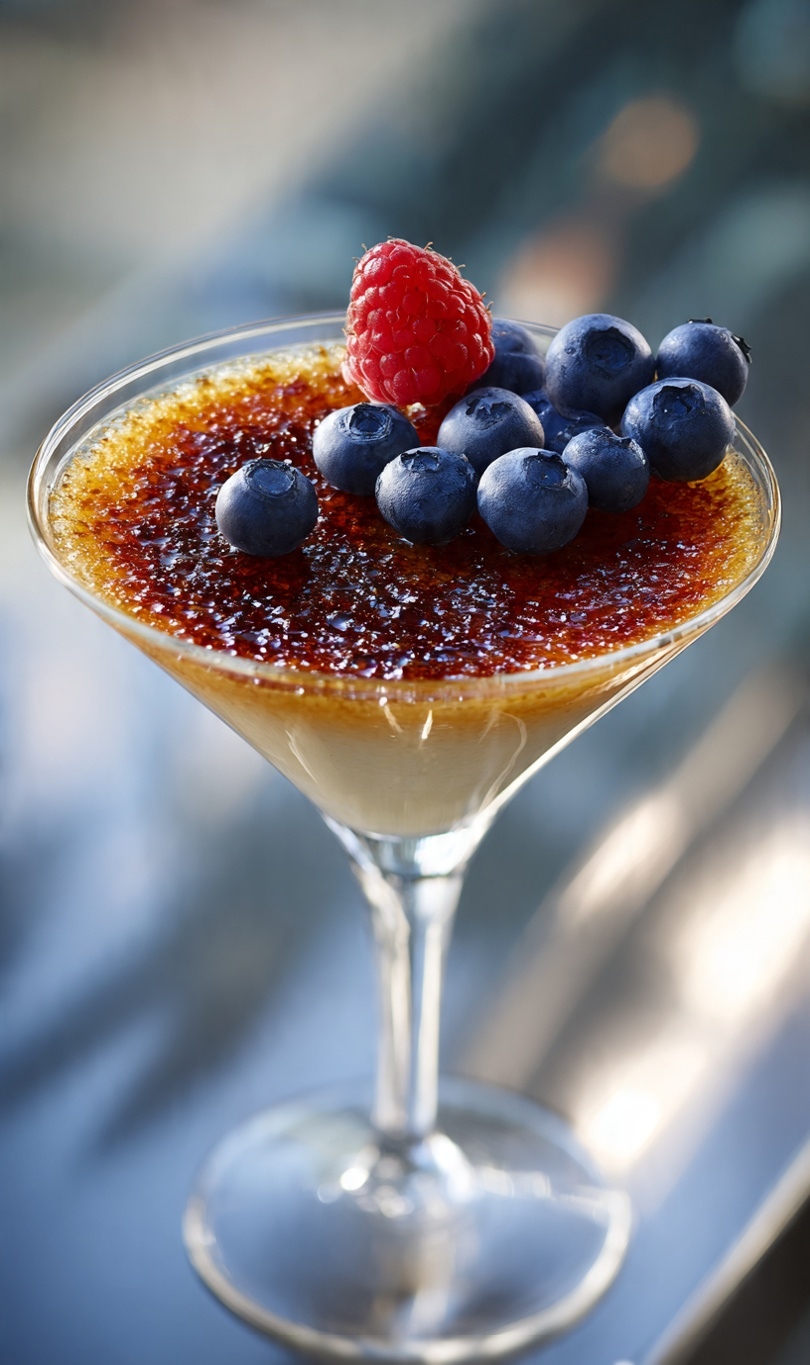
Silky vanilla custard beneath a flawless caramelised sugar crust that shatters at the tap of a spoon. This is the exact recipe, temperature, and torch technique used in French restaurants — perfected for your home kitchen.
⏱ Prep: 15 mins · Bake: 35 mins · Chill: 4 hrs · ⭐ Difficulty: Easy–Intermediate
▶ Watch the Technique
What Makes a Perfect Crème Brûlée
Crème brûlée is one of the most iconic French desserts for a reason — it is the perfect marriage of contrasting textures. The custard must be set but trembling, cold at its core, and intensely vanilla. The sugar crust must be paper-thin, perfectly amber, and crack cleanly without any bitterness from over-caramelisation.
Most failures come down to three things: wrong cream-to-yolk ratio, incorrect oven temperature, or poor torch technique. This recipe eliminates all three variables with precise measurements and method.
What You Will Need
✔️ 6 egg yolks (large, room temperature)
✔️ 600ml double cream (heavy cream)
✔️ 80g caster sugar + extra for the crust
✔️ 1 vanilla pod (or 2 tsp high-quality vanilla extract)
✔️ Pinch of fine sea salt
Equipment: 4–6 ramekins, roasting tin, kitchen torch, digital thermometer
The Method
01 — Infuse
Split the vanilla pod and scrape the seeds into the cream. Add the pod. Heat gently to just below simmering (82°C) — do not boil. Remove from heat and infuse for 15 minutes. Remove the pod.
02 — Whisk
Whisk egg yolks and sugar together until pale and slightly thickened — about 2 minutes. Do not over-whisk; you want as few air bubbles as possible for a smooth custard.
03 — Temper
Pour the warm cream slowly into the yolk mixture, stirring constantly. Never the reverse. Strain through a fine sieve to remove any cooked egg and vanilla pod remnants. Skim the foam.
04 — Bake
Pour into ramekins set in a roasting tin. Fill the tin with hot water to halfway up the ramekins. Bake at 150°C (fan 130°C) for 30–35 minutes until set with a gentle wobble at the centre.
05 — Chill
Remove from the water bath. Cool to room temperature, then refrigerate for a minimum of 4 hours or overnight. The custard must be completely cold before torching.
06 — Torch
Sprinkle a thin, even layer of caster sugar (1–1.5 tsp) over each custard. Torch in slow, circular motions from 5cm above until deep amber. Allow to set for 60 seconds before serving.
The Temperature Guide
Cream Infusion
82°C
Just below simmer. Never boil.
Oven Temperature
150°C
Fan 130°C. Low and slow.
Set Custard Core
77°C
Internal temp when done.
Sugar Caramelisation
160°C
Amber, not dark brown.
Torch Technique — The Secrets
Sugar Layer Thickness
One thin, even layer is all you need — approximately 1 to 1.5 teaspoons per ramekin. Too thick and the sugar stays pale in the centre while the edges burn. Tilt the ramekin to distribute evenly before torching.
Torch Distance & Motion
Hold the torch 5cm from the surface. Move in slow, overlapping circular motions — never hold it still. The goal is even caramelisation across the entire surface. Watch for the colour: pale gold to deep amber is the window. The moment you see any smoke, move away.
Double Layer Trick
For an extra-thick, ultra-crisp crust: torch the first layer, let it cool for 30 seconds, add a second thin layer of sugar, and torch again. This is the professional technique for a crust that holds its snap even after a few minutes on the table.
Troubleshooting
Custard won’t set
Oven too hot, water bath too shallow, or ramekins too deep. Reduce oven by 10°C and extend baking time. The wobble test: jiggle the ramekin — only the very centre should move.
Grainy or curdled texture
Cream was too hot when added to yolks, or oven was too high. Always temper slowly and always bake in a water bath. Strain the mixture before pouring.
Sugar won’t caramelise evenly
Layer too thick, custard not cold enough, or torch too far away. Ensure the custard is fridge-cold, sugar layer is thin, and torch is at 5cm maximum distance.
Crust goes soggy
Serve immediately after torching. The crust will begin to absorb moisture from the custard within 10–15 minutes. Torch at the table for maximum drama and perfect crack.
★ Continue the Series ★
More Michelin Star Recipes
Discover more from ALL COOKINGS
Subscribe to get the latest posts sent to your email.

Comments are closed.