Posted on 1 Comment

Raspberry Pavlova Recipe with Raspberry Gel Veil — Plated Meringue Dessert

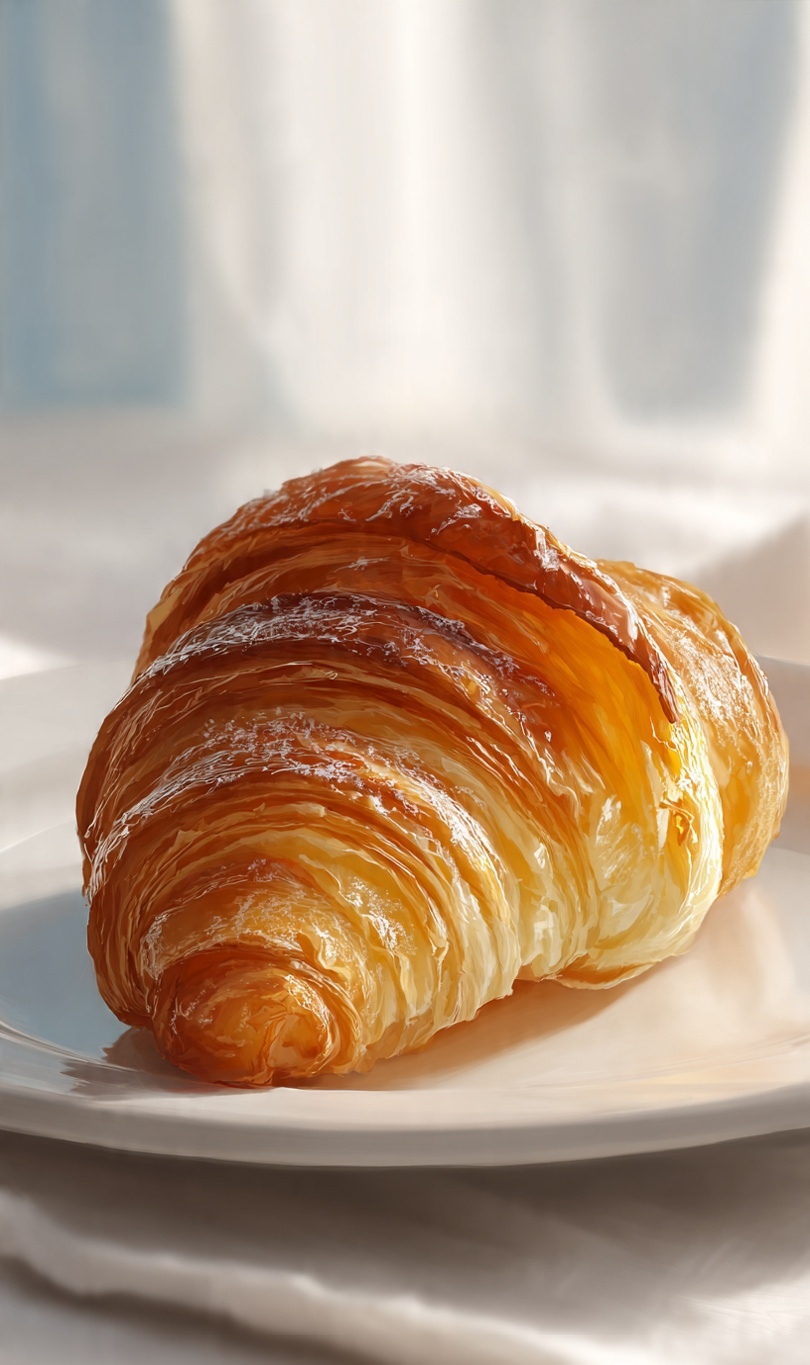
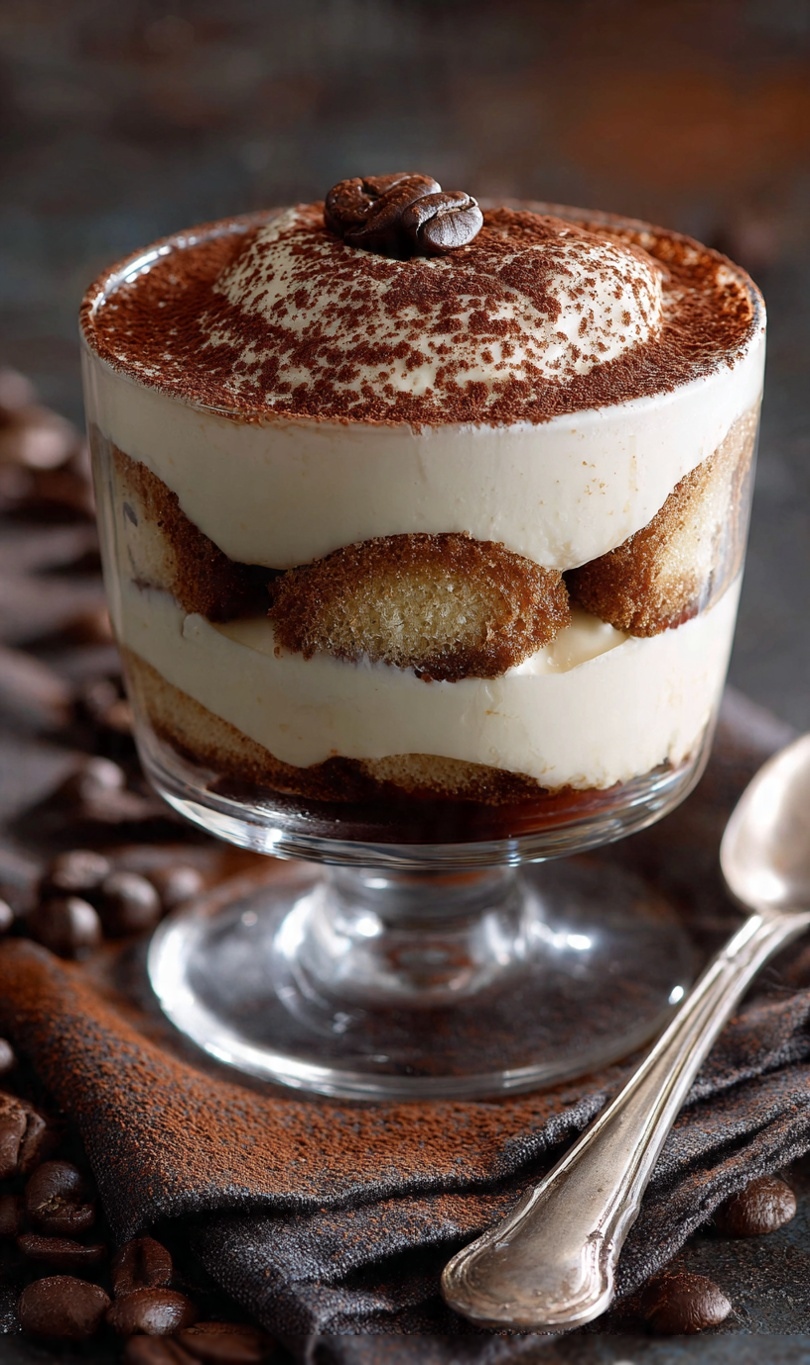
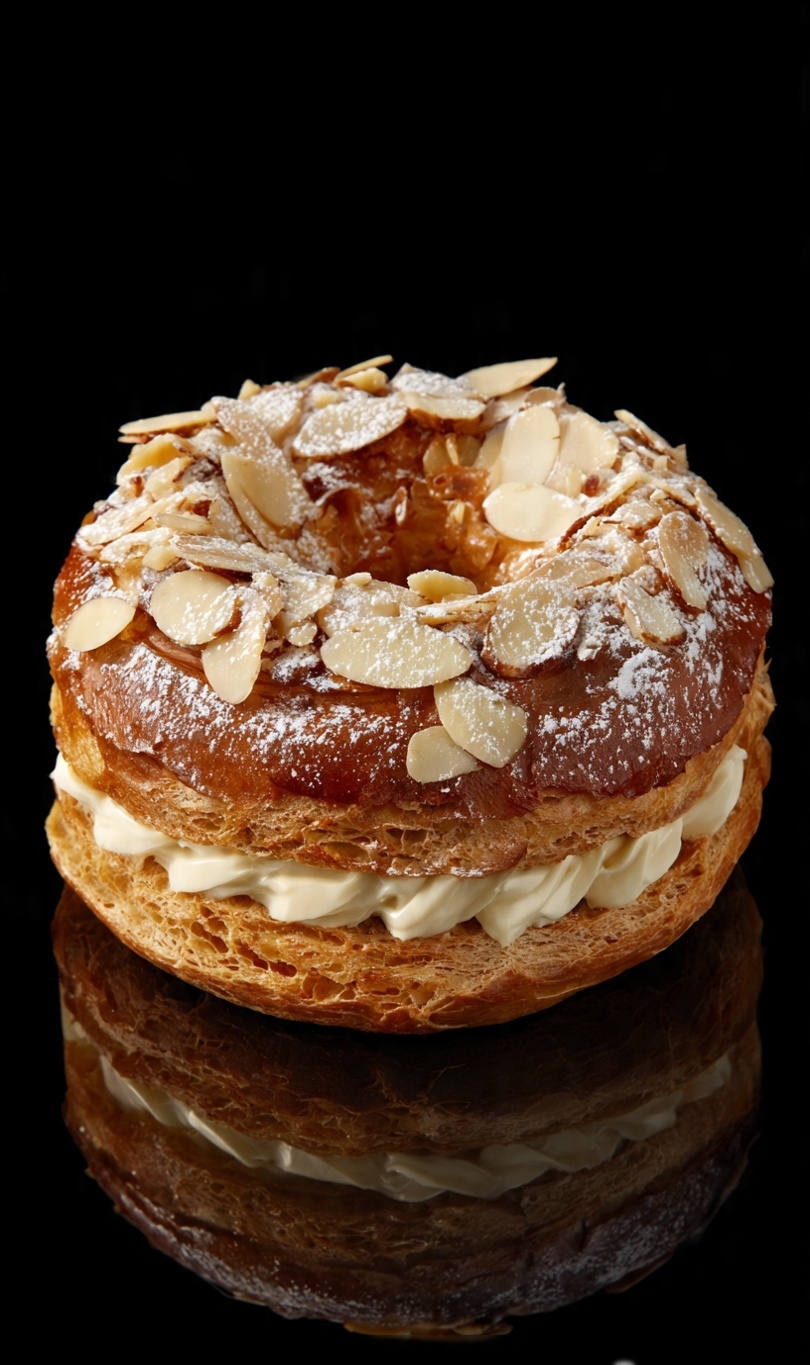
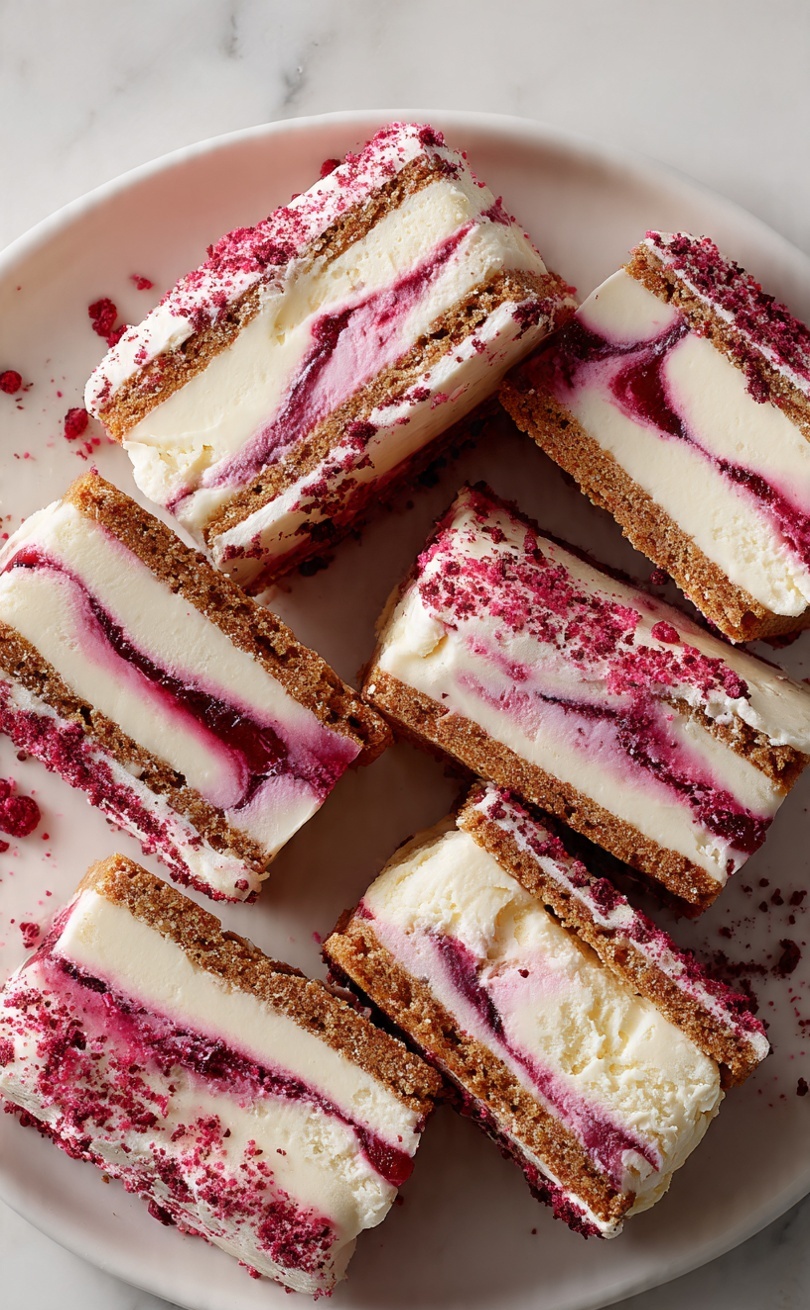
Poetry through pastry: A work of art on a plate, where every detail tells a story of dedication and regional pride.

Capture the essence of summer elegance with this Signature Raspberry Pavlova. Moving beyond the rustic ‘broken’ look of traditional meringues, this plated masterpiece features a delicate fruit veil—a technique that transforms simple raspberry puree into a translucent, silken shroud. It’s a study in texture, balancing a shattered-glass crust with a heart as soft as a cloud.

Recipe

1.Pavlova Base (Swiss meringue) method)

The Swiss method is more stable and less likely to crack, proving a smooth surface for the gel.

  • 150g egg whites
  • 300g caster sugar
  • 5g cornstarch
  • 5g white vinegar or lemon juice
  • 2g fine salt

Method:

  1. Whisk egg whites and sugar in a heatproof bowl over a pot of simmering water(Bain Marie). Whisk until the sugar is completely dissolved and the mixture reaches 50°C (122°F)
  2. Remove from heat and whip on high speed until the bowl feels cool and peaks are stiff and glossy.
  3. Fold in the cornstarch, vinegar and salt.
  4. Pipe 8-10cm rounds with flat tops. Bake at 100°C (212°F) for 90minutes. Turn off the oven and let them cool completely inside with the door cracked.

2. The whipped cream filling

Since pavlova is hollow/ airy, you need a buffer layer of cream to support the weight of the gel veil.

  • 200g heavy whipping cream
  • 20g powdered sugar
  • 5g vanilla bean paste

Method: whip until stiff peaks for. Spoon a generous dollop onto the center of each cooled pavlova.

3. The Raspberry Gel veil

This is the flexible sheet.

  • 250g raspberry puree
  • 50g water
  • 40g caster sugar
  • 4g Agar-agar powder

Method:

  1. Whisk all ingredients in a saucepan. Bring to a rolling boil for 2minutes(required to activate the agar-)agar)
  2. Pour onto a flat, silicone mat lined tray. Tilt to create a layer about 1-2mm thick
  3. Let sit in the fridge for 20minutes. Use a round cutter to create circles larger than your pavlova.

4. Raspberry coulis

  • 200g raspberry puree
  • 50g caster sugar
  • A squeeze of lemon
  • A little bit of water if needed(optional, for consistency)

Method:

  1. Heat the ingredients. Place the raspberry puree, sugar, lemon juice in a small saucepan over medium heat.
  2. Cook until soft. Bring the mixture to a gentle boil and cook for about 5 to 10 minutes, stirring occasionally, until the the sugar is completely dissolved.
  3. Blend. Remove from the heat and transfer the mixture to blender or food processor. Blitz until completely smooth.
  4. Adjust and store. Check the consistency and taste. If it’s too thick, add a little water, add more sugar if desired.

4.Fresh Berry Garnish.

  • 150g fresh raspberries
  • 100g fresh blackberries or blueberries
  • Small mint leaves or micro greens for the top

Assembly to match the image

  1. Place the pavlova on a dark plate.
  2. Top with smooth layer of whipped cream
  3. Gently lift a circle of raspberry gel veil and drop it over the cream so it ripples down the sides.
  4. Surround the bas with 150g berries.
  5. Garnish with the tiny dots of raspberry coulis and micro mint leaved.

https://amzn.to/4lN3AMt

Posted on

French Apple Tart Recipe — Classic & Allergy-Friendly Version

Looking for a delicious apple tart that fits every diet? This easy recipe has a gluten free, nut free, and dairy free version.

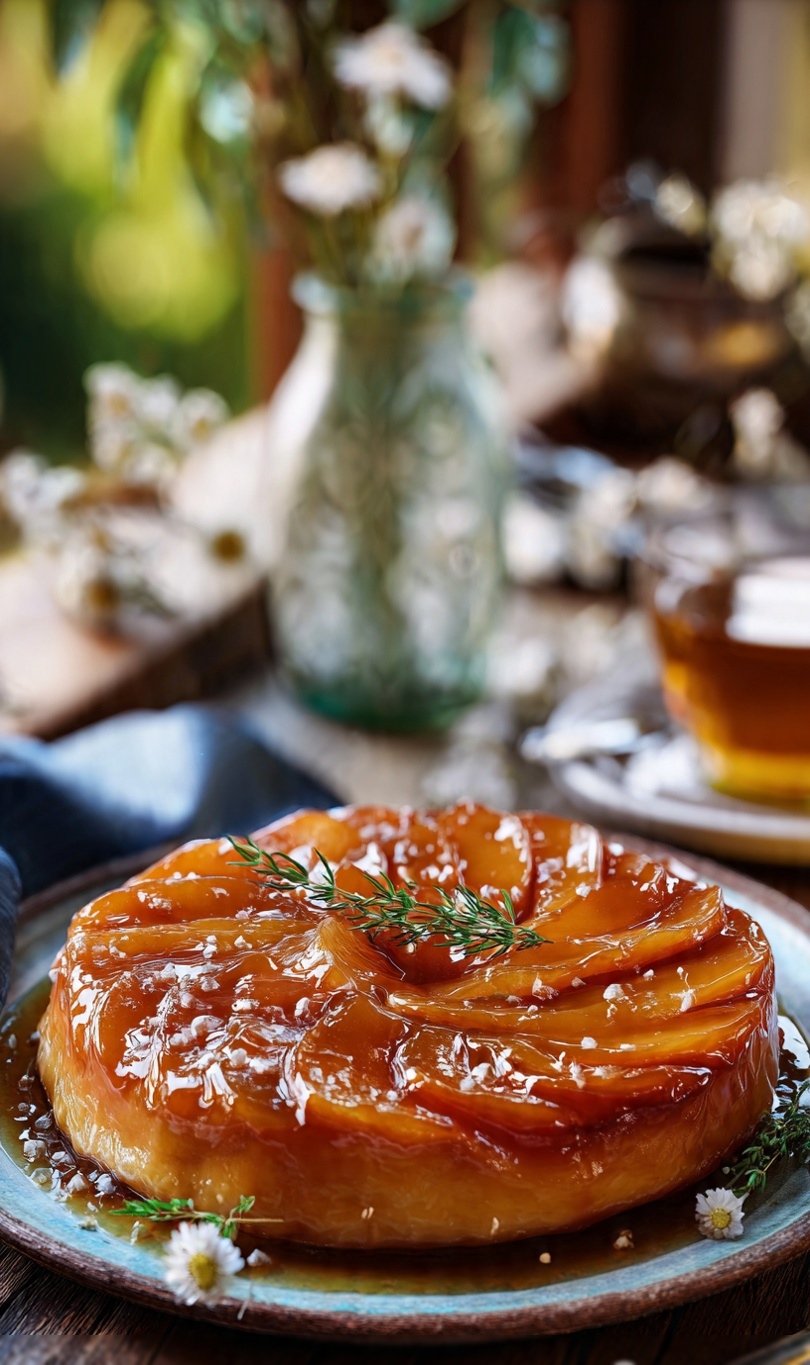
This classic French style apple tart features thin, tender apple slices arranged over a buttery, flaky pastry, finished with a glossy apricot glaze.

It requires roughly 25 minutes of prep and 40 minutes of baking, serving 8 people. The key to elegant dessert, is layering apple slices to create a beautiful, caramelized, rustic look.

RECIPE

Pastry

  • 275g plain flour
  • 175g cold butter, cubed
  • 1 tbsp caster sugar
  • 50ml cold water (approx.)

Filling and glaze

  • 5-6 large cooking apples
  • 100g caster sugar
  • 1 egg (for wash)
  • 2 tbsp apricot jam (for glaze)

Instructions

  1. Prepare Dough: Combine flour and sugar, then rub in cold butter until it looks like breadcrumbs. Mix in cold water until a dough forms. Chill for 30 minutes.
  2. Prepare Apples: Peel, core, and slice the apples thinly (about 1/8 to 1/2 inch).
  3. Assemble: Preheat oven to 200°C (390°F). Roll out the pastry and place it into a tart tin. Arrange apples in concentric circles or overlapping rows.
  4. Bake: Sprinkle with sugar. Bake for 40 minutes until golden brown.
  5. Glaze: Melt apricot jam with a little water, then brush over the warm apples for a shiny finish.

Tip

Use a mix of sweet and sour apples to balance the flavor, and bake at 400°F (200°C) initially to set the crust before lowering to 350°F (175°C) for calamelization.

Key Dairy – free Substitutes (Vegan apple tart)

For pastry: use a firm vegan butter block in a 1:1 ratio for the diary butter. Cold coconut oil(solid state) also works well for a very crisp, short texture.

For the Egg: Brush the pastry edges with a mixture of non-dairy milk like almond or soy, and a splash of maple syrup or agave to achieve a golden, shiny finish without eggs.

For the Glaze: most apricot jamsare naturally dairy-free, but ensure yours doesn’t contain hidden dairy-derived thickeners.

Tips

  • Temperature is critical: plant based butters often melt faster than dairy butter. Freeze the vegan butter for 10-15minutes before rubbing it into the flour to ensure a flaky crust.
  • Pastry handling: if the dough feels too dry when using coconut oil or vegan butter, add 1 tablespoon of ice cold water at a time until it just comes together.
  • Serving: serve the tart with a scoop of coconut milk-based vanilla ice cream or a dollop of cashew whipped cream for a fully vegan dessert experience.

Gluten – Free apple dessert recipe

Allergy friendly holiday desserts

Yields: 1 9-inch tart (8 servings)
Prep time: 30 minutes (plus 1 hour chilling)
Bake time: 45–55 minutes

  1. Ingredients
  • For the Crust:
  • 2 cups Gluten-Free All-Purpose Flour (Ensure it contains xanthan gum; if not, add ½ tsp)
  • 1 tbsp Sugar (Granulated or coconut sugar)
  • ½ tsp Salt
  • ¾ cup (12 tbsp) Cold Vegan Butter Block, cubed
  • 1 Egg (Acts as a critical binder for GF dough; use a “flax egg” for a fully vegan option, though it may be more crumbly)
  • 2–4 tbsp Ice Water (Use only as much as needed)
    For the Filling & Glaze:
  • 4–5 Large Apples (Mix Granny Smith for tartness and Gala or Honeycrisp for sweetness)
  • ¼ cup Sugar (For sprinkling)
  • 2 tbsp Apricot Jam or Jelly
  • 1 tbsp Lemon Juice (To prevent browning)
    2. Step-by-Step Instructions
  • Make the Dough: In a large bowl, whisk the flour, sugar, and salt. Cut in the cold vegan butter using a pastry cutter or fork until it resembles coarse crumbs.
  • Bind and Chill: Stir in the beaten egg. Add ice water, one tablespoon at a time, until the dough just holds together when pressed. Shape into a disc, wrap in plastic, and refrigerate for at least 1 hour to allow the GF flour to hydrate.
  • Prep the Apples: Peel, core, and slice apples into thin wedges (about ⅛ inch). Toss with lemon juice.
  • Roll the Crust: Roll the chilled dough between two sheets of parchment paper to about 12 inches in diameter. Peel off the top sheet, flip the dough into a 9-inch tart pan, and gently press it into the edges. Trim any excess.
  • Assemble: Arrange apple slices in tight, overlapping concentric circles starting from the outside. Sprinkle with sugar.
  • Bake: Bake at 375°F (190°C) for 45–55 minutes until the crust is golden and apples are tender.
  • Glaze: Melt the apricot jam with a splash of water and brush over the warm tart for a professional, glossy finish.

Troubleshooting

Continue reading French Apple Tart Recipe — Classic & Allergy-Friendly Version
Posted on

Tahitian Vanilla Mille-Feuille Croissant — The Laminated Luxury Series

The Laminated Luxury Series — No. 2 of 8

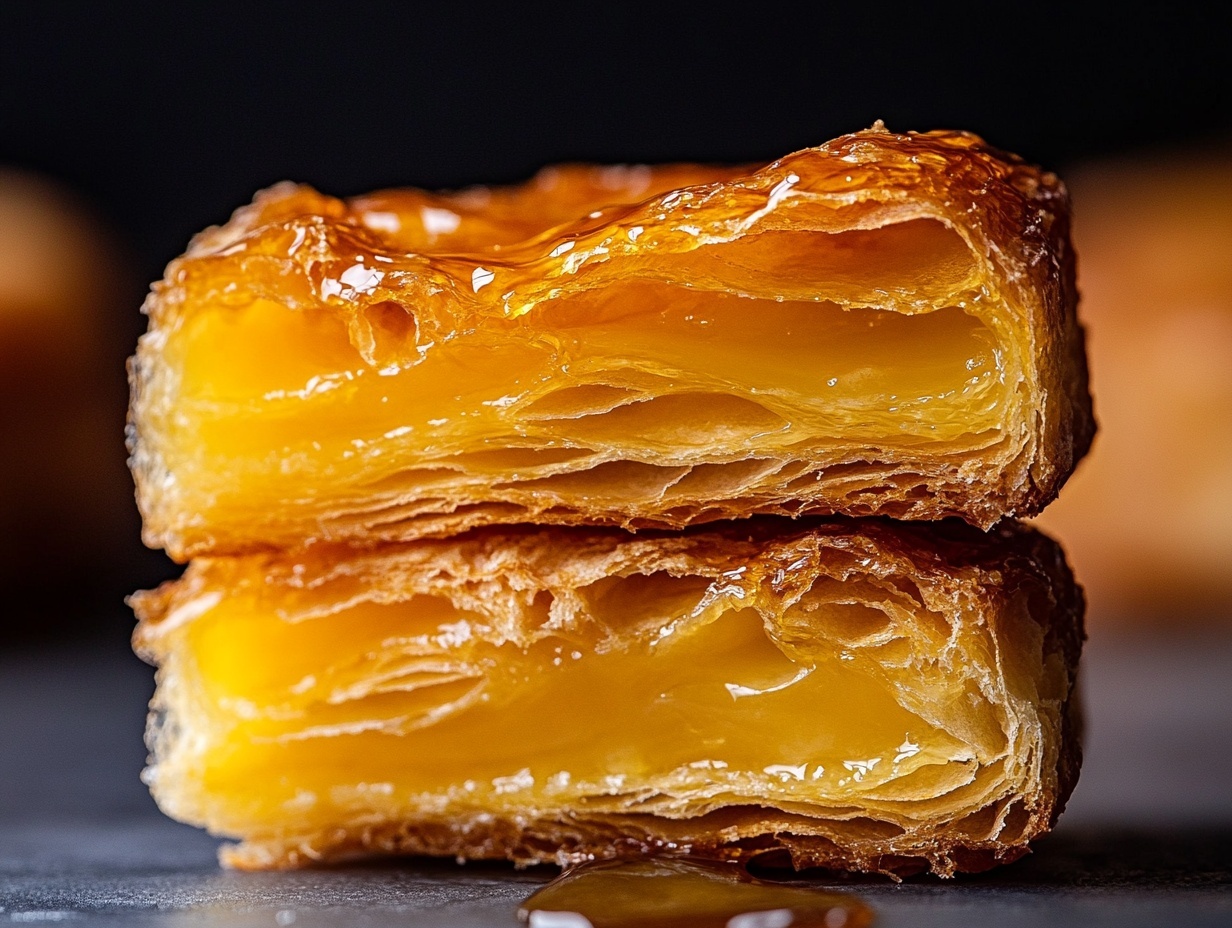
If the Noir Croissant is darkness, this is light. The Tahitian Vanilla Mille-Feuille Croissant takes the most revered ingredient in patisserie — the Tahitian vanilla bean, with its floral, cherry-like complexity — and anchors it inside shatteringly crisp laminated layers, bound together with a diplomat cream of exceptional delicacy.

Mille-feuille means a thousand leaves. Here, those leaves are croissant dough — caramelised, lacquered, and finished with edible gold dust. This is the series at its most classical.


Chef’s Note

Tahitian vanilla is not interchangeable with Madagascar vanilla. It is softer, more floral — less sharp. It perfumes the cream rather than asserting itself. Use real pods, not extract. Split them lengthways, scrape every seed, and steep the pods in the warm milk for a minimum of 20 minutes. The difference is not subtle.

The croissant layers here are baked flatter than usual — pressed lightly before baking to encourage the mille-feuille effect. The result is a pastry of extraordinary crunch and layering, designed to shatter on the first bite and yield something impossibly soft inside.


Ingredients

The Dough

  • 500g strong bread flour
  • 10g fine sea salt
  • 80g caster sugar
  • 10g instant yeast
  • 300ml whole milk, cold
  • 30g unsalted butter, softened

The Butter Block (Beurrage)

  • 280g European-style unsalted butter (84% fat), cold

Tahitian Vanilla Diplomat Cream

  • 500ml whole milk
  • 2 Tahitian vanilla pods, split and scraped
  • 5 egg yolks
  • 120g caster sugar
  • 40g cornflour
  • 30g unsalted butter, cold and cubed
  • 200ml double cream, whipped to soft peaks

Lacquer Glaze

  • 100g caster sugar
  • 30ml water
  • 1 tsp glucose syrup

To Finish

  • 1 egg yolk + 1 tbsp cream (egg wash)
  • Edible gold dust
  • Vanilla pod, halved, to garnish

Method

Day 1 — The Détrempe & Beurrage

Combine flour, salt, and sugar. Dissolve yeast in the cold milk, then combine with the dry ingredients. Add the softened butter and knead for 8 minutes until smooth and elastic. Wrap and refrigerate overnight. Shape the cold butter block into a 20cm square and refrigerate alongside the dough.

Day 2 — Lamination

Perform three double folds with 30-minute rests between each fold, keeping everything below 18°C. After the final fold, rest for at least 1 hour.

Shaping — The Mille-Feuille Method

Roll the laminated dough to 4mm. Rather than rolling into the traditional crescent shape, cut into rectangles (12cm × 8cm). Stack two rectangles per pastry with a light brushing of egg wash between them. Place on lined trays and proof at 24°C for 1.5–2 hours. Before baking, place a second sheet of parchment on top and weigh down lightly with a flat baking tray — this creates the compressed, layered mille-feuille effect.

Baking & Glazing

Preheat oven to 185°C (fan). Brush with egg wash, then bake with the weighted tray on top for 15 minutes. Remove the top tray and bake a further 8–10 minutes until deeply golden and lacquered. While still hot, brush immediately with the sugar glaze (combine sugar, water, and glucose, simmer until syrupy). The glaze will set to a glassy finish as it cools.

The Diplomat Cream

Steep the split vanilla pods in the warm milk for 20 minutes. Whisk the egg yolks with sugar and cornflour. Bring the milk back to a simmer, remove pods, then pour over the egg mixture in a steady stream. Return to the pan and cook over medium heat, whisking constantly, until thick and glossy. Remove from heat, whisk in the cold butter. Press cling film directly onto the surface and cool completely. Once cold, fold in the whipped cream in two additions to create a light, airy diplomat cream.

Assembly

Once the pastries are completely cool, split horizontally with a serrated knife. Pipe the diplomat cream generously across the base — use a large star nozzle for visual drama. Replace the top layer. Dust liberally with edible gold dust and place a halved vanilla pod across the top. Serve within 2 hours of assembly for maximum crunch.


Technique Notes

The weighted bake. Pressing the dough during baking forces the layers to caramelise against each other rather than puffing apart. The result is a pastry that is more mille-feuille than croissant — dense with crunch, not airy. Do not skip this step.

The glaze timing. The sugar glaze must go on immediately out of the oven while the surface is still hot. A cold pastry will not absorb the glaze — it will pool and remain sticky. Work quickly.

Diplomat vs. pastry cream. Diplomat cream is pastry cream lightened with whipped cream. Do not substitute with pastry cream alone — it is too dense and will overwhelm the delicate vanilla perfume. The lightness of the diplomat cream is essential to the balance of this pastry.


Facebook Caption

The Laminated Luxury Series continues.

Crisp laminated layers. Tahitian vanilla diplomat cream. Edible gold dust.

This is the Tahitian Vanilla Mille-Feuille Croissant — and it tastes exactly as extraordinary as it looks.

Full recipe on the blog. Link in bio. ✨🥐


The Laminated Luxury Series

No. 1 — Noir Croissant  |  You are reading No. 2 — Tahitian Vanilla Mille-Feuille
Next: No. 3 — Saffron & Honey Kouign-Amann →

View the full series: French Classics | Michelin Star Series


🖤 Want All 8 Recipes in One Place?

The complete Laminated Luxury Series — all 8 Michelin-level croissant recipes, technique notes, plating guides, and photography direction — is available as a premium recipe collection in our shop.

Browse the Shop →

Posted on

Noir Croissant Recipe — Black Cocoa Laminated Croissant with Dark Chocolate Ganache

The Laminated Luxury Series — No. 1 of 8

Some pastries announce themselves quietly. The Noir Croissant does not. Built from black cocoa-laminated dough, filled with a bittersweet 85% dark chocolate ganache, and finished with a whisper of edible gold leaf — this is a croissant that commands the room.

This recipe opens the Laminated Luxury Series — eight recipes that treat the croissant not as a breakfast staple, but as a canvas for Michelin-level patisserie.


Chef’s Note

The key to the Noir Croissant is restraint. The black cocoa doesn’t just colour the dough — it deepens the flavour, adding a subtle bitterness that balances the richness of the ganache. Laminate cold, rest often, and bake until the exterior is shatteringly crisp. A soggy croissant is a failed croissant.

The gold leaf is not decoration. It is a statement.


Ingredients

The Dough

  • 500g strong bread flour
  • 25g black cocoa powder
  • 10g fine sea salt
  • 80g caster sugar
  • 10g instant yeast
  • 300ml whole milk, cold
  • 30g unsalted butter, softened

The Butter Block (Beurrage)

  • 280g European-style unsalted butter (84% fat), cold
  • 10g black cocoa powder

Dark Chocolate Ganache Filling

  • 200g 85% dark chocolate, finely chopped
  • 180ml double cream
  • 20g unsalted butter
  • 1 tsp fleur de sel

To Finish

  • 1 egg yolk + 1 tbsp cream (egg wash)
  • Edible gold leaf
  • Fleur de sel, to garnish

Method

Day 1 — The Détrempe

Whisk together the flour, black cocoa, salt, and sugar. Dissolve the yeast in the cold milk, then combine with the dry ingredients. Mix until a shaggy dough forms, then add the softened butter. Knead for 8 minutes until smooth. Wrap tightly in cling film and refrigerate overnight.

Day 1 — The Beurrage

Beat the cold butter with black cocoa until fully combined and pliable. Shape into a 20cm square between two sheets of parchment. Refrigerate alongside the dough.

Day 2 — Lamination (3 × Double Folds)

Encase the butter block in the dough, then perform three double folds (book folds), resting in the refrigerator for 30 minutes between each fold. After the final fold, rest for a minimum of 1 hour. Target: 128 layers of butter. Do not rush this.

Shaping & Proofing

Roll the laminated dough to 4mm thickness. Cut into long triangles (base 10cm, height 22cm). Roll tightly from base to tip, placing point-side down on lined baking trays. Proof at 24°C for 2–2.5 hours until visibly puffed and the layers are clearly defined.

Baking

Preheat the oven to 190°C (fan). Brush gently with egg wash — do not let it drip into the layers. Bake for 18–20 minutes until deeply dark and shatteringly crisp. Cool completely on a wire rack before filling.

The Ganache

Heat the cream until just simmering. Pour over the chopped chocolate in three additions, stirring from the centre out. Add the butter and stir until glossy. Season with fleur de sel. Allow to set at room temperature until pipeable (approximately 2 hours).

Assembly

Cut a slit along the base of each croissant. Pipe the ganache generously inside. Place a single sheet of edible gold leaf across the top. Finish with a pinch of fleur de sel.


Technique Notes

Temperature is everything. Lamination fails when butter melts into dough. Keep everything below 18°C throughout. If the dough feels greasy, stop and refrigerate immediately for 20 minutes.

The black cocoa. Dutch-processed to an extreme degree — it carries almost no fat, so it won’t interfere with the gluten structure. Do not substitute with regular cocoa.

Baking dark doughs. The black colour makes it difficult to judge doneness by eye. Listen — a properly baked croissant sounds hollow when tapped on the base.


The Laminated Luxury Series

You are reading No. 1 — Noir Croissant
Next: No. 2 — Tahitian Vanilla Mille-Feuille Croissant →

View the full series: French Classics | Michelin Star Series